This simple yet flavorful salmon recipe is perfect for a quick weeknight dinner or a special occasion. The combination of olive oil, garlic powder, and paprika creates a deliciously seasoned fish that is sure to impress.
Most of the ingredients in this recipe are common pantry staples. However, if you don't usually cook with salmon, you may need to visit the seafood section of your supermarket. Fresh, skinless salmon fillets are ideal for this recipe.
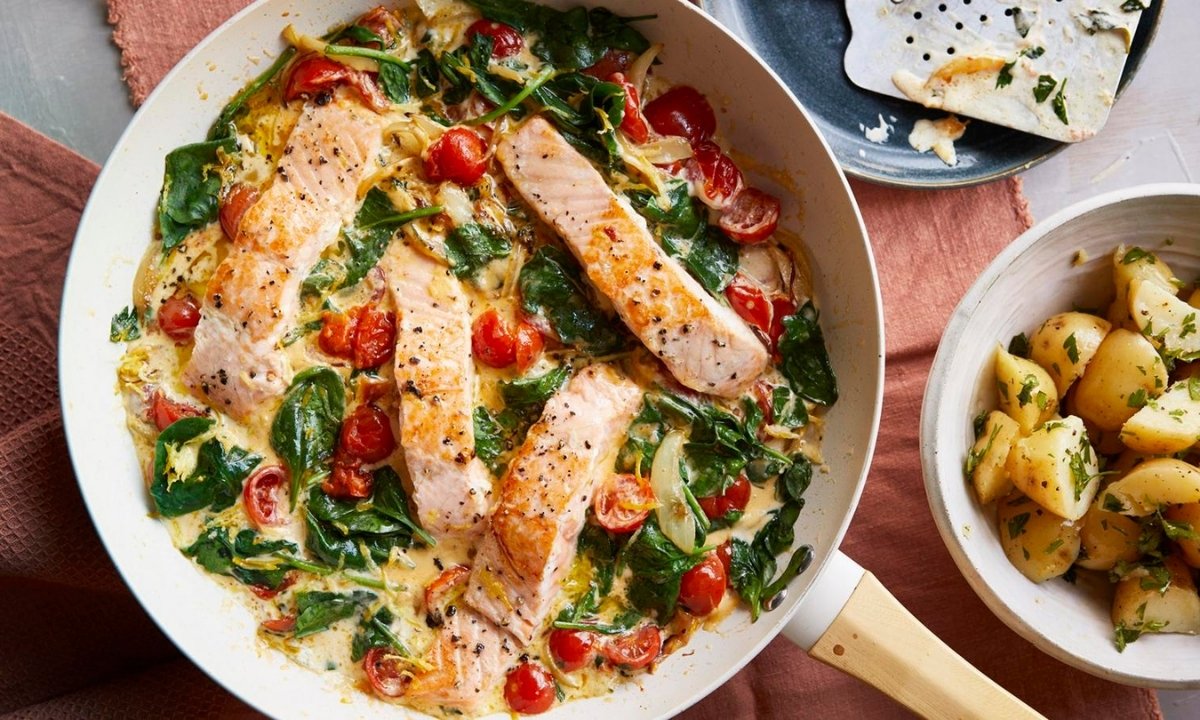
Ingredients For Salmon Recipe
Salmon: A rich, flavorful fish that is high in omega-3 fatty acids and perfect for baking.
Olive oil: Adds moisture and helps to crisp the edges of the salmon.
Salt: Enhances the natural flavors of the salmon.
Freshly ground black pepper: Adds a touch of heat and depth to the seasoning.
Garlic powder: Provides a subtle garlic flavor without overpowering the dish.
Paprika: Adds a mild, smoky flavor and a beautiful color to the salmon.
Technique Tip for Cooking Salmon
When preparing salmon, ensure that you pat the fillets dry with a paper towel before seasoning. This helps the olive oil and spices adhere better to the fish, resulting in a more flavorful and evenly cooked dish. Additionally, consider using a meat thermometer to check the internal temperature of the salmon; it should reach 145°F (63°C) for optimal doneness.
Suggested Side Dishes
Alternative Ingredients
salmon - Substitute with trout: Trout has a similar texture and flavor profile, making it a great alternative to salmon.
salmon - Substitute with arctic char: Arctic char is closely related to salmon and has a comparable taste and texture.
olive oil - Substitute with avocado oil: Avocado oil has a high smoke point and a mild flavor, making it a suitable replacement for olive oil.
olive oil - Substitute with grapeseed oil: Grapeseed oil is neutral in flavor and has a high smoke point, which works well in cooking.
salt - Substitute with soy sauce: Soy sauce adds a salty flavor along with umami, enhancing the overall taste of the dish.
salt - Substitute with sea salt: Sea salt can be used as a direct replacement for regular salt, providing a slightly different mineral flavor.
black pepper - Substitute with white pepper: White pepper has a similar heat level but a slightly different flavor, which can add a unique twist.
black pepper - Substitute with cayenne pepper: Cayenne pepper adds heat and a bit of spice, offering a different but complementary flavor.
garlic powder - Substitute with fresh garlic: Fresh garlic provides a more robust and aromatic flavor compared to garlic powder.
garlic powder - Substitute with onion powder: Onion powder can add a similar depth of flavor, though it will be slightly different.
paprika - Substitute with smoked paprika: Smoked paprika adds a smoky flavor along with the mild heat of regular paprika.
paprika - Substitute with cayenne pepper: Cayenne pepper will add more heat and a different flavor profile, making the dish spicier.
Other Alternative Recipes Similar to This Dish
How to Store or Freeze Your Dish
Allow the salmon to cool to room temperature after baking. This prevents condensation from forming inside the storage container, which can make the fish soggy.
Transfer the cooled salmon fillets into an airtight container. If stacking fillets, place a piece of parchment paper between each to avoid sticking.
Store the container in the refrigerator if you plan to consume the salmon within 3-4 days. This keeps the fish fresh and flavorful.
For longer storage, wrap each salmon fillet tightly in plastic wrap or aluminum foil, then place them in a freezer-safe bag. Squeeze out as much air as possible to prevent freezer burn.
Label the freezer bag with the date of storage. Frozen salmon can be kept for up to 3 months without significant loss of quality.
When ready to use, thaw the salmon in the refrigerator overnight. This slow thawing process helps maintain the texture and flavor of the fish.
Reheat the salmon gently in the oven at 275°F (135°C) for about 15 minutes, or until warmed through. This low temperature prevents the fish from drying out.
Alternatively, you can reheat the salmon in a skillet over medium-low heat, adding a splash of olive oil to keep it moist.
How to Reheat Leftovers
Oven Method:
- Preheat your oven to 275°F (135°C).
- Place the salmon fillets on a baking sheet lined with aluminum foil.
- Drizzle a bit of olive oil or a splash of lemon juice over the fillets to keep them moist.
- Cover the fillets with another piece of aluminum foil to prevent drying out.
- Heat in the oven for about 15 minutes, or until the salmon reaches an internal temperature of 125°F (52°C).
Stovetop Method:
- Heat a non-stick skillet over medium-low heat.
- Add a small amount of olive oil or butter to the skillet.
- Place the salmon fillets in the skillet, skin-side down if they have skin.
- Cover the skillet with a lid to trap the heat and moisture.
- Heat for about 5-7 minutes, flipping halfway through, until the salmon is warmed through.
Microwave Method:
- Place the salmon fillets on a microwave-safe plate.
- Cover the fillets with a damp paper towel to retain moisture.
- Microwave on medium power for 1-2 minutes, checking frequently to avoid overcooking.
- If needed, continue microwaving in 30-second intervals until the salmon is heated through.
Steaming Method:
- Fill a pot with a small amount of water and bring it to a simmer.
- Place a steamer basket over the pot, making sure the water does not touch the basket.
- Place the salmon fillets in the steamer basket.
- Cover the pot with a lid and steam for about 5-7 minutes, or until the salmon is heated through.
Air Fryer Method:
- Preheat your air fryer to 350°F (175°C).
- Lightly brush the salmon fillets with olive oil.
- Place the fillets in the air fryer basket.
- Heat for about 3-5 minutes, checking frequently to ensure they do not dry out.
Essential Tools for Cooking Salmon
Oven: Used to bake the salmon fillets at a consistent temperature of 400°F (200°C).
Baking sheet: Provides a flat surface to place the salmon fillets on for baking.
Aluminum foil: Lines the baking sheet to prevent sticking and makes for easy cleanup.
Measuring spoons: Used to measure out the olive oil, salt, black pepper, garlic powder, and paprika accurately.
Basting brush: Helps to evenly drizzle and spread the olive oil over the salmon fillets.
Oven mitts: Protects your hands when placing the baking sheet in and taking it out of the oven.
Timer: Ensures that you bake the salmon for the correct amount of time, 15-20 minutes.
How to Save Time on This Recipe
Pre-measure ingredients: Measure out the olive oil, salt, black pepper, garlic powder, and paprika ahead of time to streamline the process.
Use parchment paper: Swap aluminum foil for parchment paper to avoid sticking and make cleanup faster.
Batch seasoning: Mix the salt, black pepper, garlic powder, and paprika in a small bowl before sprinkling over the salmon fillets.
Preheat the oven: Turn on the oven before you start prepping to ensure it’s ready when you are.
Use a timer: Set a timer for 15 minutes to check the salmon and avoid overcooking.
Salmon Recipe
Ingredients
Main Ingredients
- 4 fillets Salmon skinless
- 2 tablespoon Olive Oil
- 1 teaspoon Salt
- 1 teaspoon Black Pepper freshly ground
- 1 teaspoon Garlic Powder
- 1 teaspoon Paprika
Instructions
- Preheat your oven to 400°F (200°C).
- Line a baking sheet with aluminum foil.
- Place the salmon fillets on the baking sheet.
- Drizzle olive oil over the salmon fillets.
- Season with salt, black pepper, garlic powder, and paprika.
- Bake in the preheated oven for 15-20 minutes, or until the salmon is cooked through.
Nutritional Value
Keywords
Suggested Appetizers and Desserts
More Amazing Recipes to Try 🙂
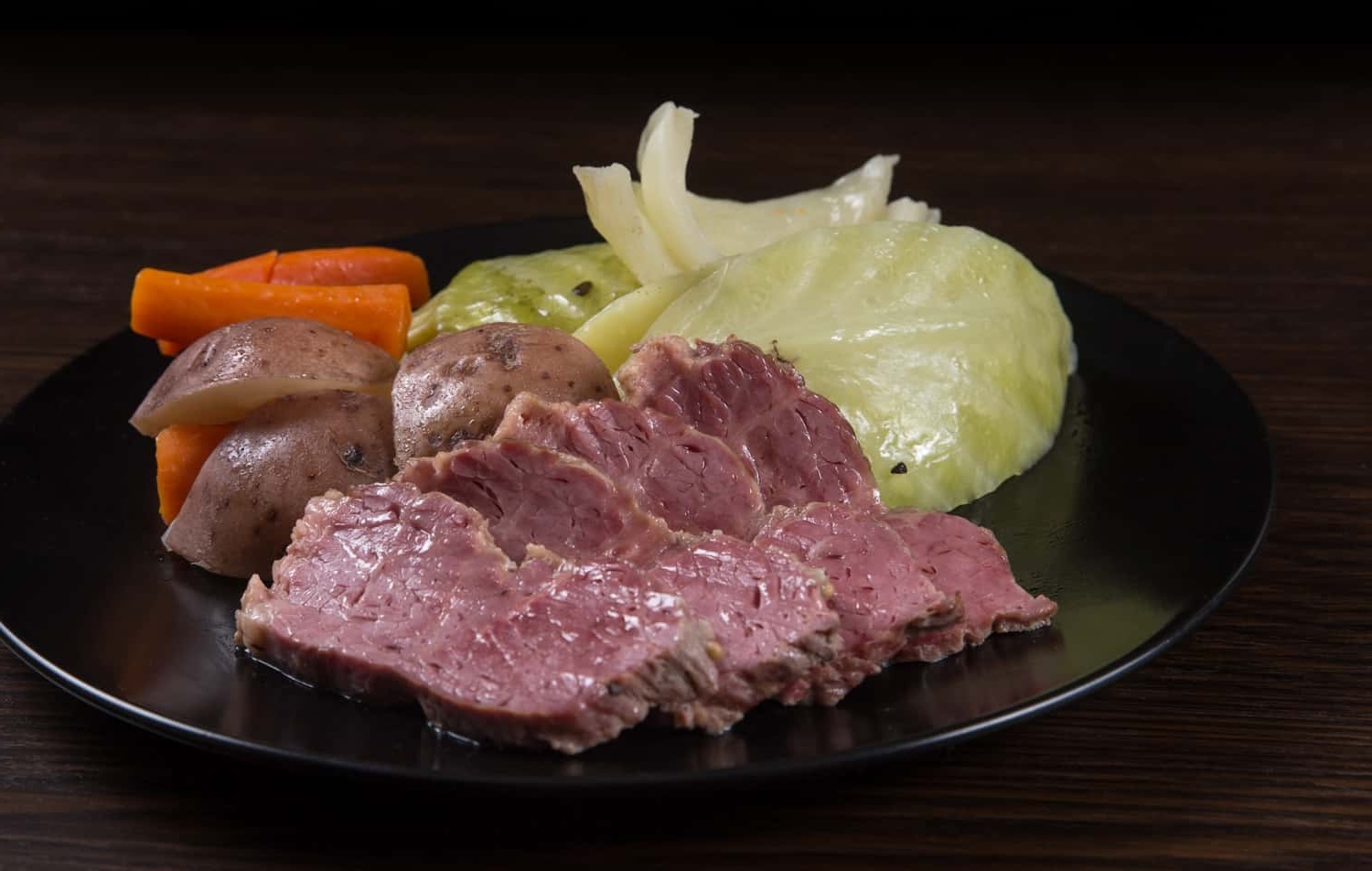
- Instant Pot Corned Beef Recipe1 Hours 40 Minutes
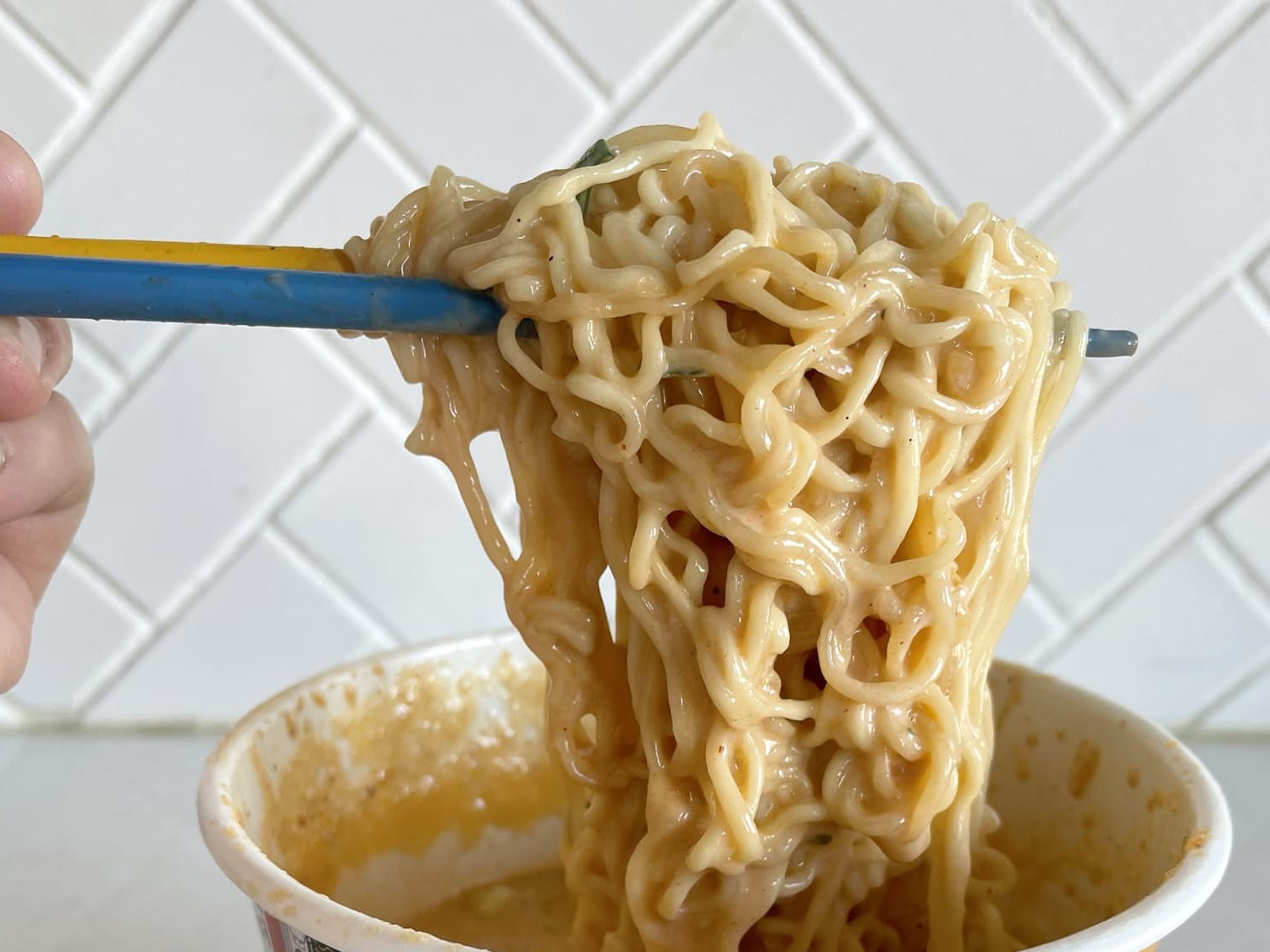
- Cheesy Ramen Noodles Recipe15 Minutes
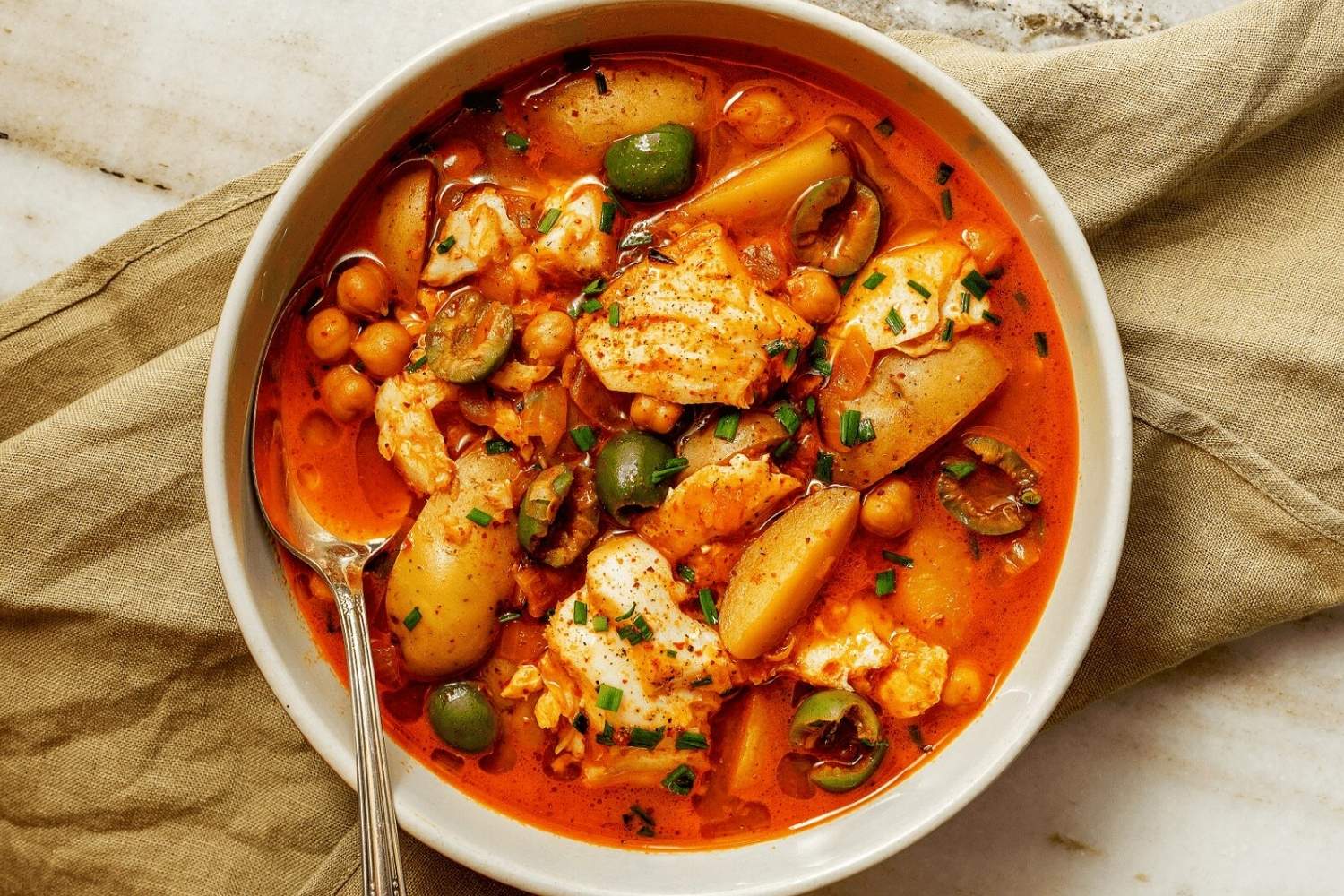
- Basque Codfish Stew Recipe1 Hours
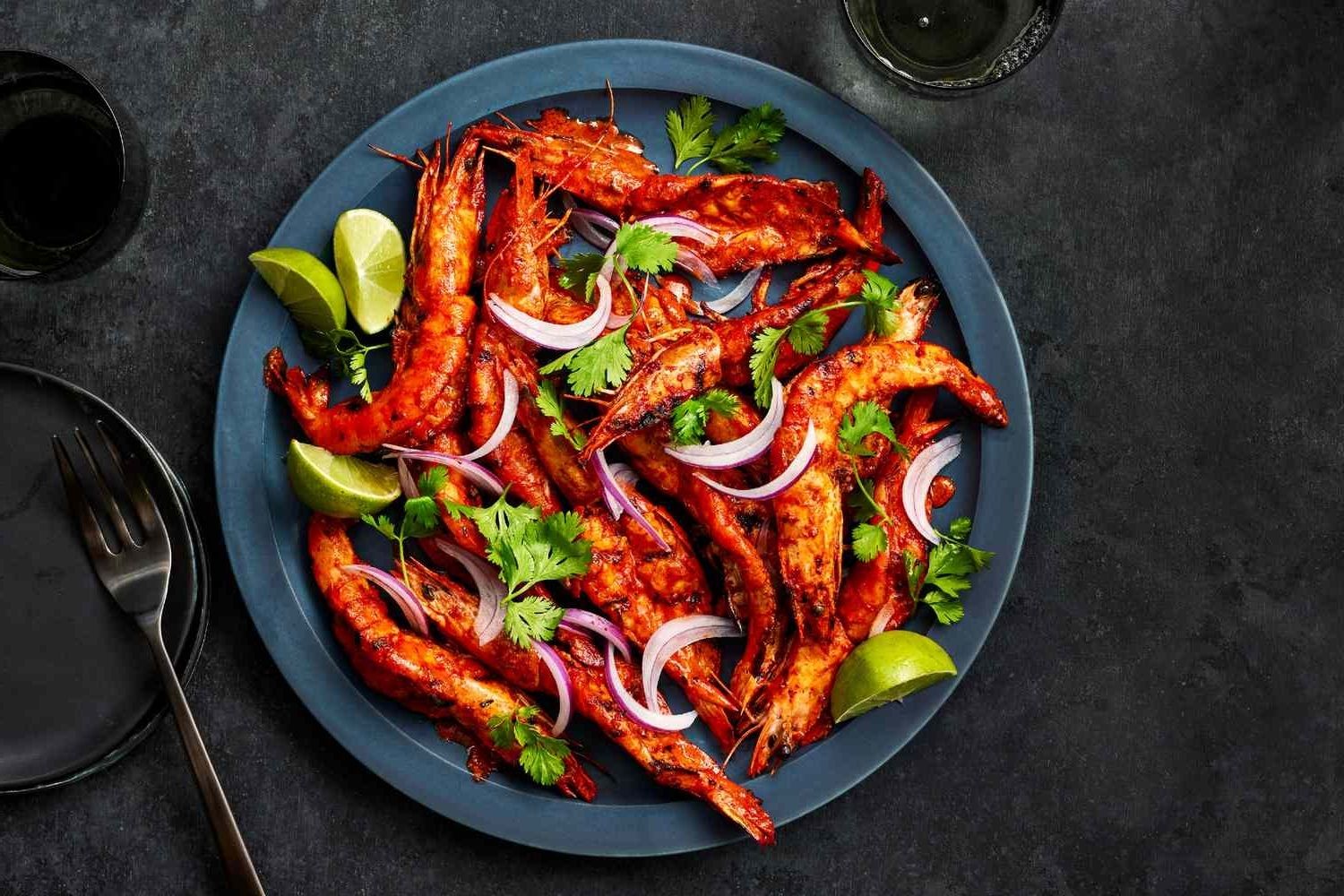
- Grilled Marinated Shrimp Recipe25 Minutes
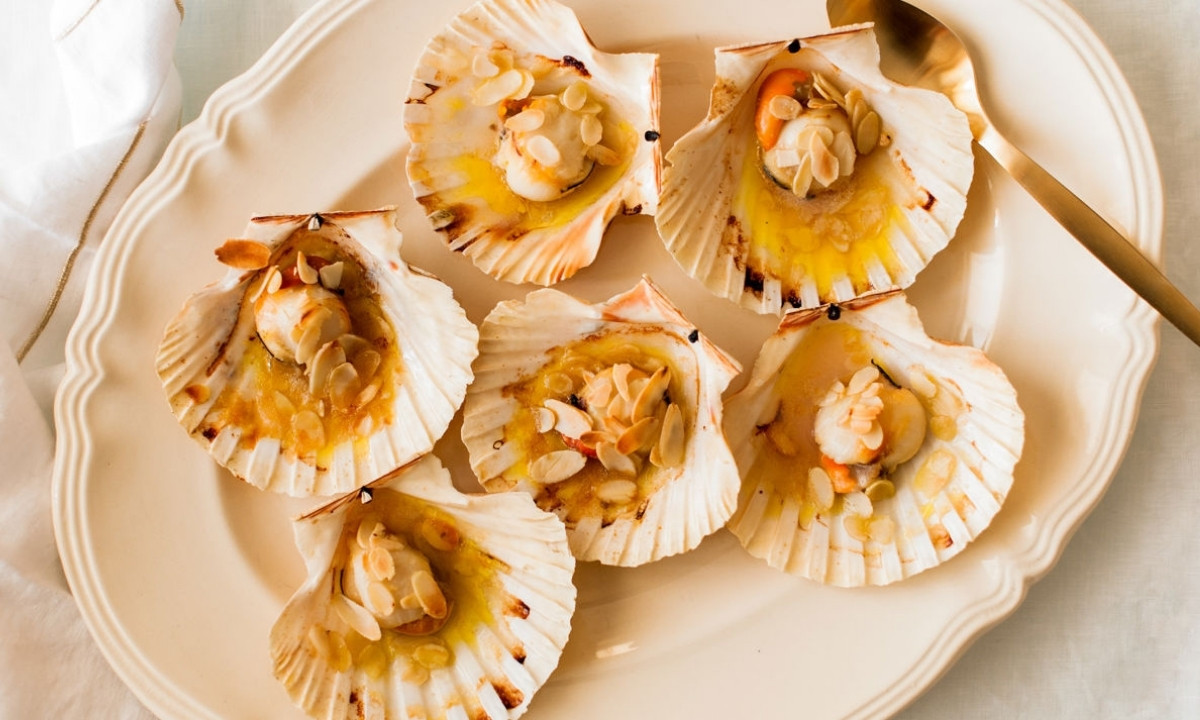
- Baked Scallops Recipe35 Minutes
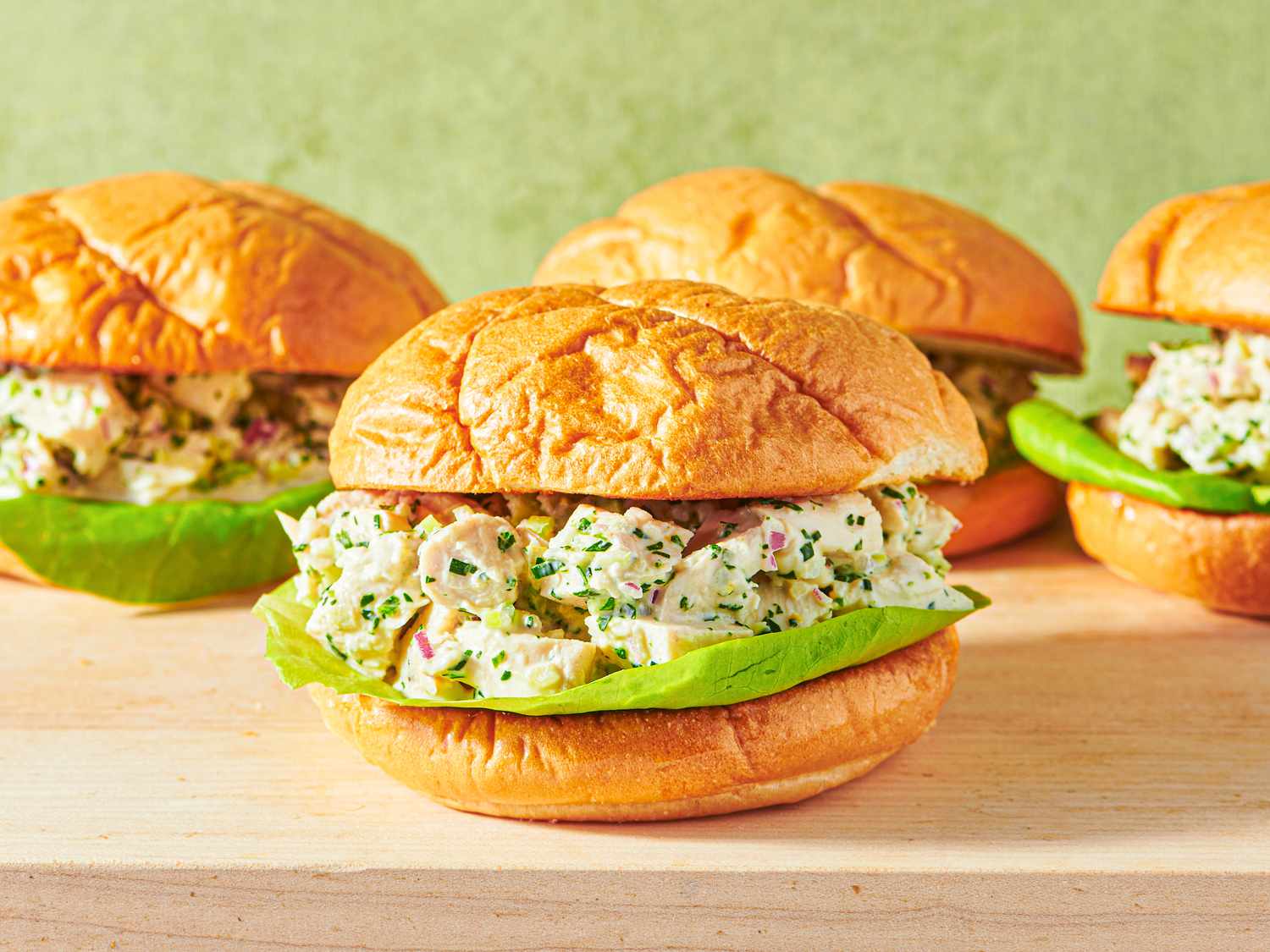
- Grilled Chicken Salad Sandwich Recipe25 Minutes
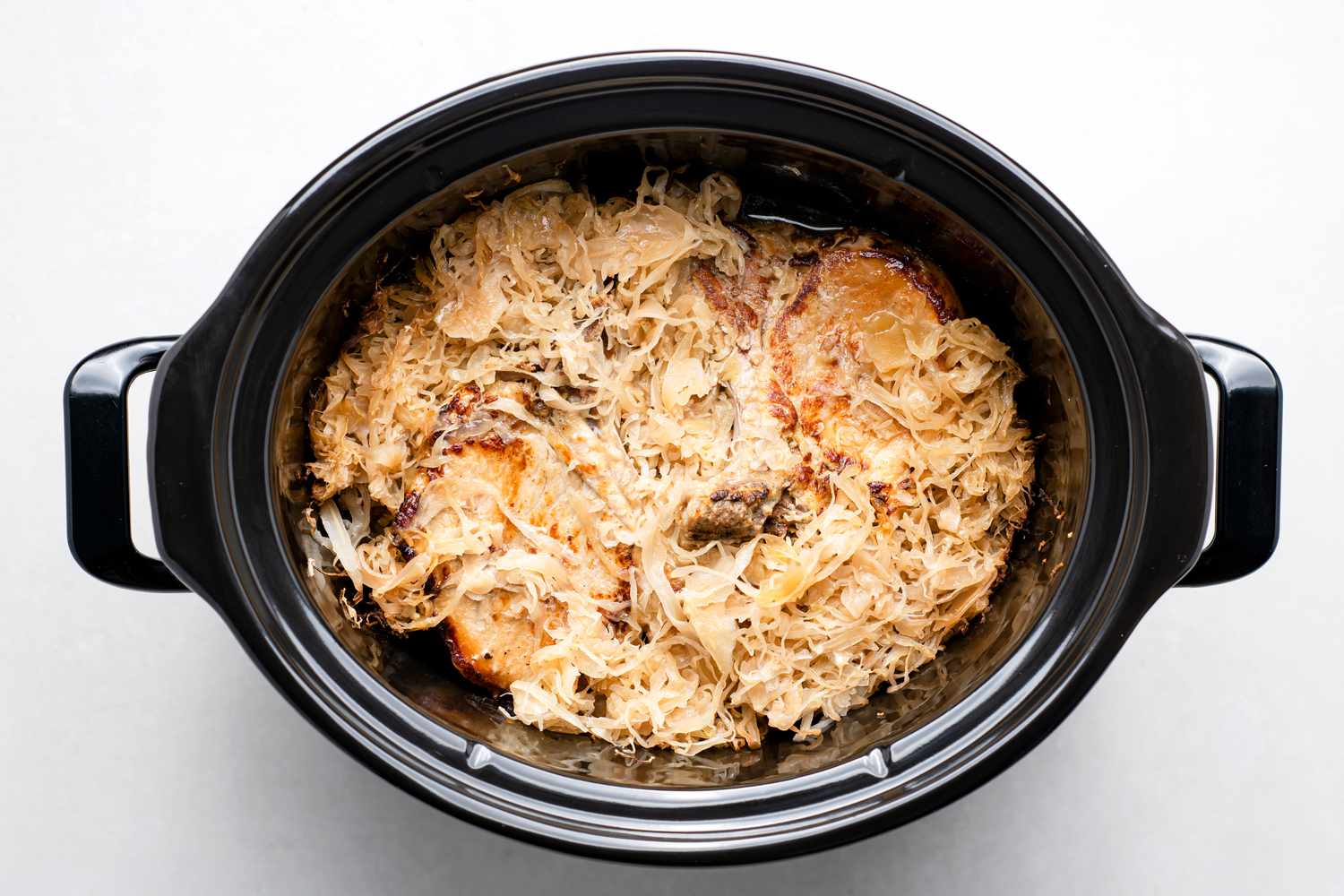
- Slow Cooker Pork and Sauerkraut Recipe8 Hours 10 Minutes
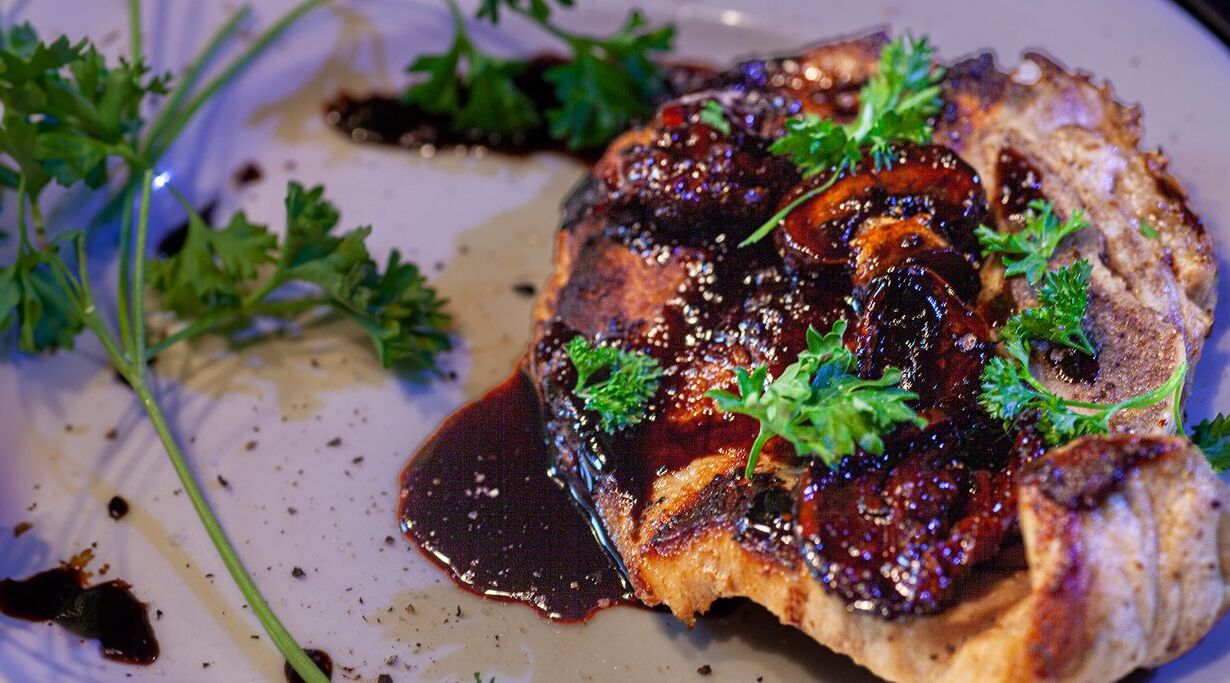
- Lamb Chops with Balsamic Reduction Recipe30 Minutes

Leave a Reply