
This braised pork ragu is a hearty and flavorful dish perfect for a cozy dinner. The slow-cooked pork shoulder becomes tender and succulent, absorbing the rich flavors of red wine, tomatoes, and aromatic herbs. Serve it over pasta or polenta for a comforting meal that will impress your family and friends.
While most of the ingredients for this recipe are common pantry staples, you might need to pick up a few items at the supermarket. Pork shoulder is a specific cut of meat that may not always be on hand. Additionally, red wine is essential for deglazing the pot and adding depth to the sauce. Make sure to choose a good-quality crushed tomatoes and chicken broth to enhance the overall flavor of the dish.
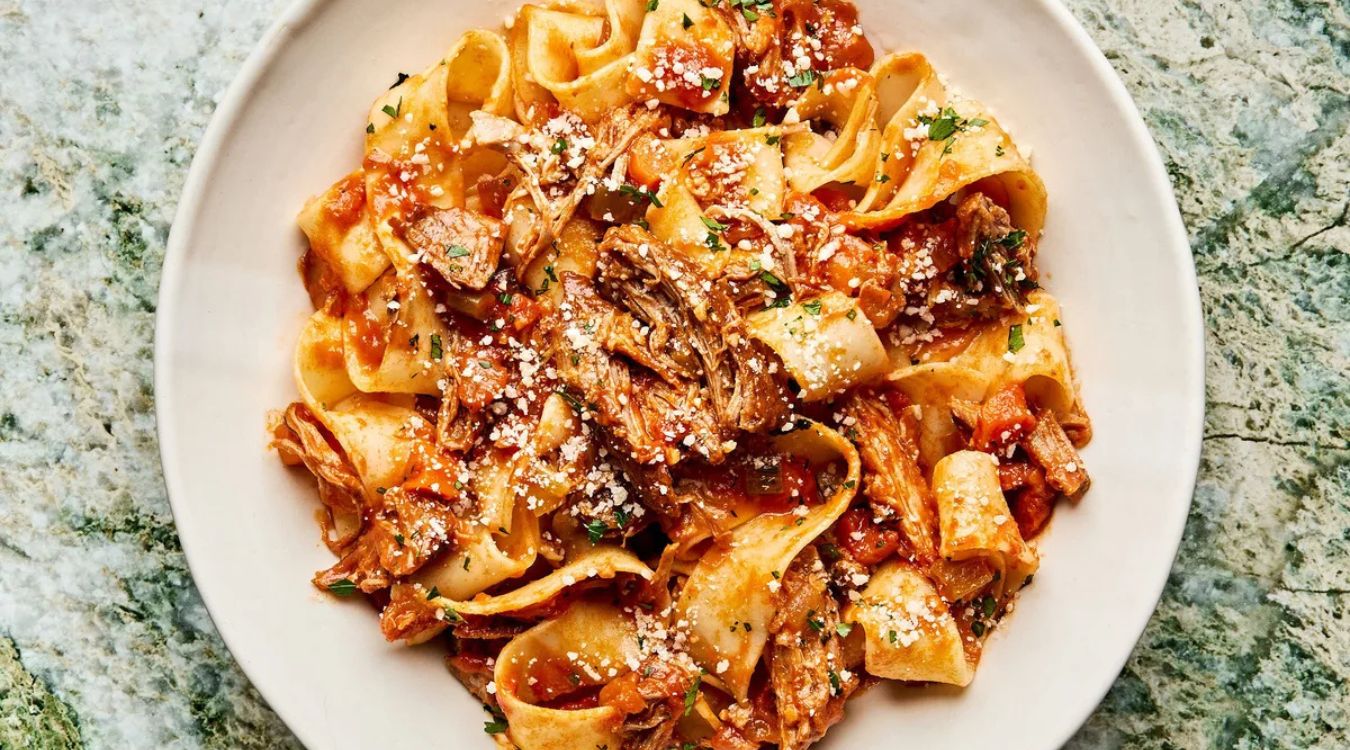
Ingredients For Braised Pork Ragu Recipe
Pork shoulder: A flavorful cut of meat that becomes tender when braised.
Onion: Adds sweetness and depth to the sauce.
Garlic: Provides a robust and aromatic flavor.
Red wine: Used to deglaze the pot and add richness to the sauce.
Crushed tomatoes: Forms the base of the sauce, providing a rich tomato flavor.
Tomato paste: Concentrated tomato flavor that thickens the sauce.
Chicken broth: Adds depth and enhances the overall flavor of the dish.
Oregano: A dried herb that adds a warm, aromatic flavor.
Basil: A dried herb that adds a sweet and slightly peppery flavor.
Salt: Enhances the flavors of all the ingredients.
Pepper: Adds a touch of heat and enhances the overall flavor.
Technique Tip for This Recipe
When browning the pork shoulder, make sure not to overcrowd the dutch oven. Browning in batches ensures that each piece gets a nice, even sear, which adds depth of flavor to the ragu. Additionally, when deglazing with red wine, allow it to reduce slightly to concentrate the flavors before adding the crushed tomatoes and other ingredients.
Suggested Side Dishes
Alternative Ingredients
pork shoulder - Substitute with beef chuck: Beef chuck has a similar texture and fat content, making it a good alternative for braising.
pork shoulder - Substitute with lamb shoulder: Lamb shoulder provides a rich flavor and tender texture when braised, similar to pork shoulder.
diced onion - Substitute with shallots: Shallots offer a milder and slightly sweeter taste, which can add a different depth of flavor to the ragu.
diced onion - Substitute with leeks: Leeks have a subtle onion flavor and can add a delicate sweetness to the dish.
minced garlic - Substitute with garlic powder: Garlic powder can be used in a pinch, though it lacks the fresh, pungent flavor of minced garlic. Use about ¼ teaspoon per clove.
minced garlic - Substitute with shallots: Shallots can provide a mild garlic-like flavor along with a hint of onion.
red wine - Substitute with beef broth: Beef broth can add a rich, savory flavor without the alcohol content.
red wine - Substitute with balsamic vinegar: Balsamic vinegar adds acidity and a touch of sweetness, mimicking some of the flavors of red wine.
crushed canned tomatoes - Substitute with fresh tomatoes: Fresh tomatoes can be blanched, peeled, and crushed to replace canned tomatoes, offering a fresher taste.
crushed canned tomatoes - Substitute with tomato sauce: Tomato sauce can be used for a smoother texture, though it may be less chunky than crushed tomatoes.
tomato paste - Substitute with ketchup: Ketchup can add a similar tomato flavor and thickness, though it will be slightly sweeter.
tomato paste - Substitute with sun-dried tomato paste: Sun-dried tomato paste offers a more intense tomato flavor and can be used in the same quantity.
chicken broth - Substitute with vegetable broth: Vegetable broth provides a similar savory base and is suitable for those avoiding meat.
chicken broth - Substitute with beef broth: Beef broth can add a deeper, richer flavor to the ragu.
dried oregano - Substitute with fresh oregano: Fresh oregano can be used at a ratio of 3:1 (fresh to dried) for a more vibrant flavor.
dried oregano - Substitute with Italian seasoning: Italian seasoning contains oregano along with other herbs, providing a similar flavor profile.
dried basil - Substitute with fresh basil: Fresh basil can be used at a ratio of 3:1 (fresh to dried) for a more aromatic and fresh taste.
dried basil - Substitute with thyme: Thyme offers a slightly different but complementary flavor to basil and can be used in similar quantities.
salt - Substitute with soy sauce: Soy sauce can add saltiness along with umami depth, though use sparingly to avoid overpowering the dish.
pepper - Substitute with white pepper: White pepper provides a similar heat and flavor but with a slightly different aroma, useful for a more subtle peppery taste.
Other Alternative Recipes Similar to This Dish
How to Store or Freeze This Dish
- Allow the braised pork ragu to cool completely before storing. This helps prevent condensation, which can lead to a watery sauce.
- Transfer the ragu to an airtight container. If you have a large batch, consider dividing it into smaller portions for easier reheating.
- Store the container in the refrigerator if you plan to consume the ragu within 3-4 days. This ensures the flavors remain fresh and the pork stays tender.
- For longer storage, place the ragu in a freezer-safe container or heavy-duty freezer bags. Squeeze out as much air as possible to prevent freezer burn.
- Label the containers with the date and contents. This helps you keep track of how long the ragu has been stored.
- Freeze the ragu for up to 3 months. Beyond this period, the quality may start to decline, although it will still be safe to eat.
- When ready to use, thaw the ragu in the refrigerator overnight. This slow thawing process helps maintain the texture and flavor.
- Reheat the ragu gently on the stovetop over low heat, stirring occasionally. Add a splash of chicken broth or water if the sauce has thickened too much during storage.
- Alternatively, you can reheat individual portions in the microwave. Place the ragu in a microwave-safe dish, cover loosely, and heat on medium power, stirring occasionally, until heated through.
- Serve the reheated braised pork ragu over freshly cooked pasta or polenta, and enjoy the rich, comforting flavors once again.
How to Reheat Leftovers
Stovetop Method:
- Place the braised pork ragu in a saucepan or skillet.
- Add a splash of chicken broth or water to prevent it from drying out.
- Heat over medium-low, stirring occasionally, until warmed through. This should take about 10-15 minutes.
Oven Method:
- Preheat your oven to 350°F (175°C).
- Transfer the ragu to an oven-safe dish and cover with foil.
- Bake for about 20-25 minutes, or until heated through. Stir halfway to ensure even heating.
Microwave Method:
- Place the leftover ragu in a microwave-safe container.
- Cover with a microwave-safe lid or plastic wrap, leaving a small vent.
- Heat on medium power for 2-3 minutes, stirring halfway through. Continue heating in 1-minute increments until hot.
Slow Cooker Method:
- Transfer the ragu to your slow cooker.
- Set to low heat and cover.
- Heat for 1-2 hours, stirring occasionally, until thoroughly warmed.
Sous Vide Method:
- Place the ragu in a vacuum-sealed bag or ziplock bag using the water displacement method.
- Set your sous vide machine to 165°F (74°C).
- Submerge the bag in the water bath and heat for about 1 hour.
Best Tools for This Recipe
Dutch oven: A heavy-duty pot with a tight-fitting lid, perfect for browning meat and slow-cooking the ragu.
Tongs: Useful for turning and removing the pork shoulder chunks while browning.
Wooden spoon: Ideal for stirring the ingredients and scraping up browned bits from the bottom of the pot.
Chef's knife: Essential for dicing the onion and mincing the garlic.
Cutting board: A sturdy surface for preparing the onion and garlic.
Measuring cups: Necessary for accurately measuring the red wine, chicken broth, and other liquid ingredients.
Measuring spoons: Useful for measuring the dried oregano, dried basil, salt, and pepper.
Can opener: Needed to open the can of crushed tomatoes.
Ladle: Handy for serving the ragu over pasta or polenta.
How to Save Time on Making This Recipe
Use a slow cooker: Brown the pork shoulder and sauté the onion and garlic in a skillet, then transfer everything to a slow cooker. Cook on low for 8 hours or high for 4 hours.
Prep ingredients ahead: Dice the onion and mince the garlic the night before. Store them in the fridge to save time on cooking day.
Double the recipe: Make a larger batch of braised pork ragu and freeze half for a quick meal later.
Use pre-minced garlic: Save time by using store-bought pre-minced garlic instead of mincing it yourself.
Braised Pork Ragu Recipe
Ingredients
Main Ingredients
- 2 lbs pork shoulder cut into chunks
- 1 large onion diced
- 3 cloves garlic minced
- 1 cup red wine
- 28 oz canned tomatoes crushed
- 2 tablespoon tomato paste
- 1 cup chicken broth
- 1 teaspoon dried oregano
- 1 teaspoon dried basil
- to taste salt and pepper
Instructions
- 1. Heat a Dutch oven over medium-high heat. Add a bit of oil and brown the pork shoulder chunks on all sides. Remove and set aside.
- 2. In the same pot, add the diced onion and cook until softened. Add the minced garlic and cook for another minute.
- 3. Pour in the red wine to deglaze the pot, scraping up any browned bits from the bottom.
- 4. Add the crushed tomatoes, tomato paste, chicken broth, oregano, and basil. Stir to combine.
- 5. Return the browned pork to the pot. Bring to a simmer, then reduce the heat to low. Cover and let it braise for about 3 hours, or until the pork is tender and falling apart.
- 6. Season with salt and pepper to taste. Serve over pasta or polenta.
Nutritional Value
Keywords
Suggested Appetizers and Desserts for This Recipe
More Amazing Recipes to Try 🙂
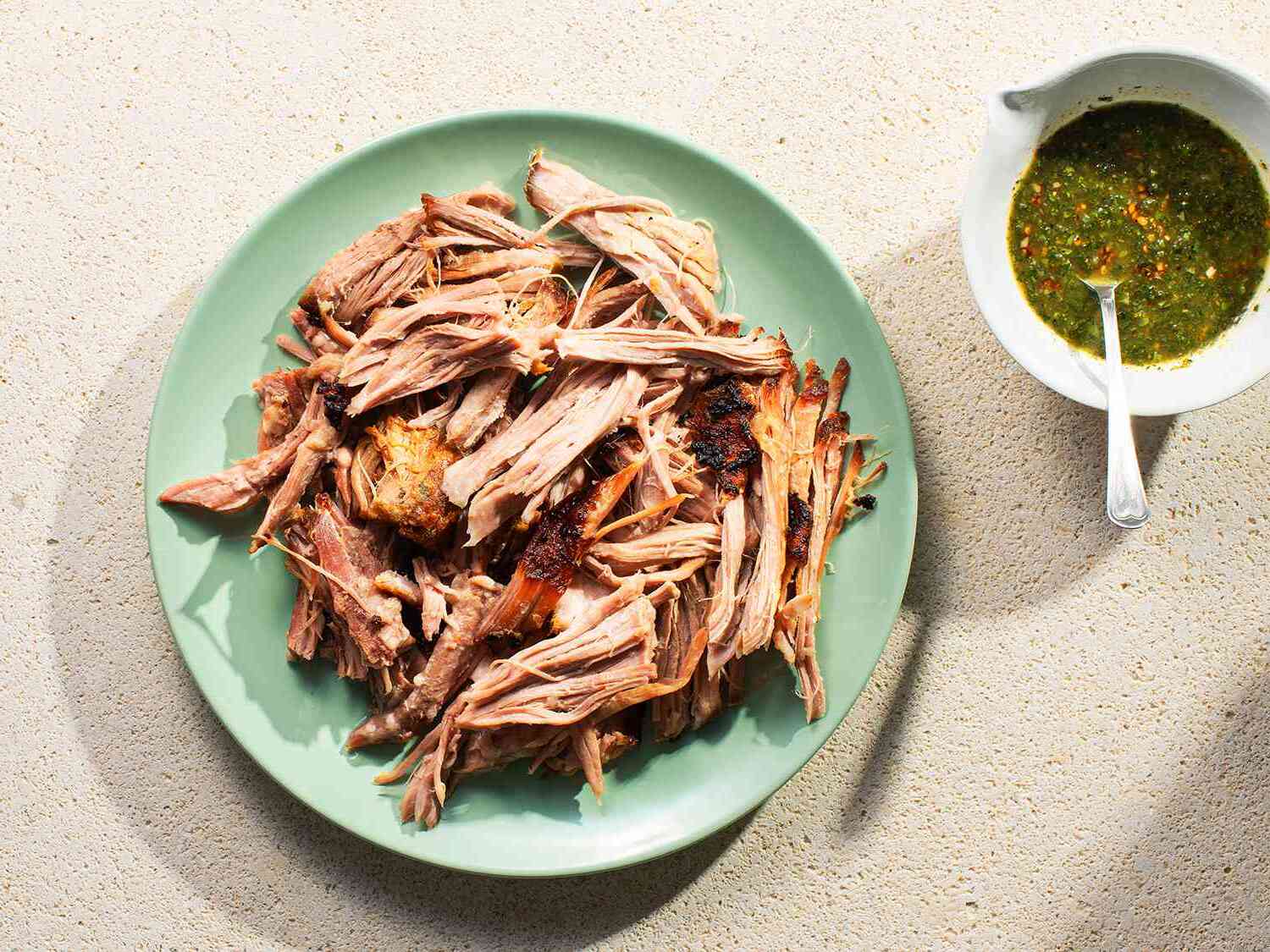
- Slow Cooker Mojo Pork Recipe8 Hours 15 Minutes
- Curried Egg Sandwiches Recipe20 Minutes
- Crab Artichoke Pizza Recipe35 Minutes
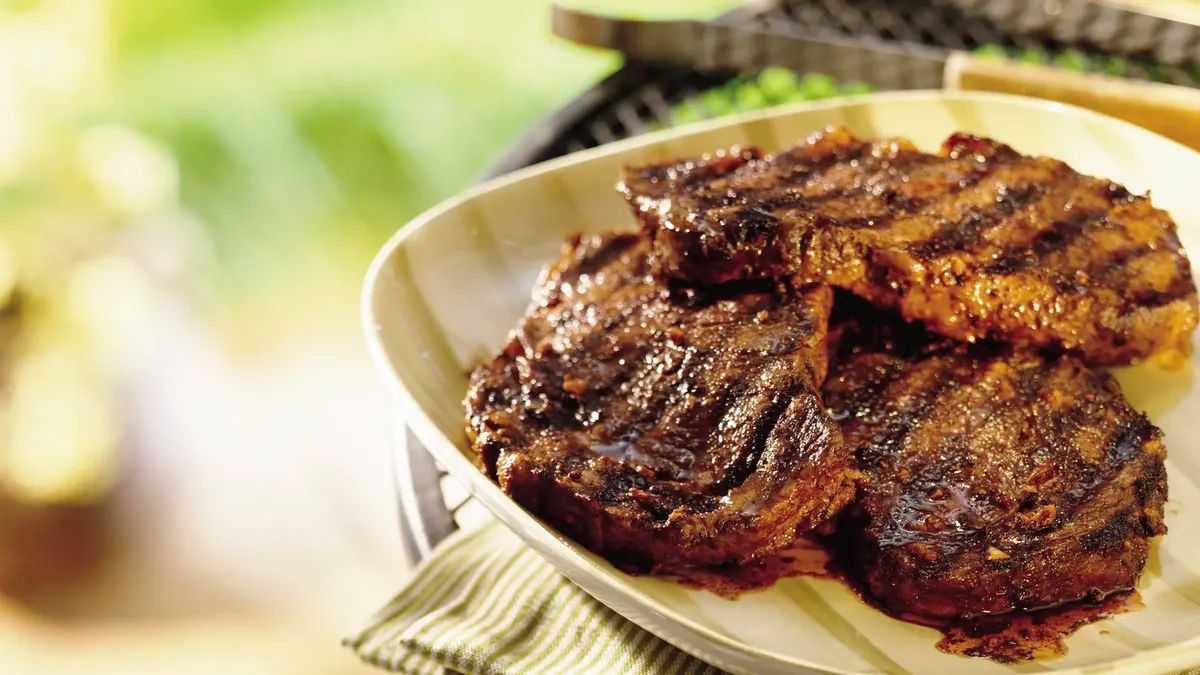
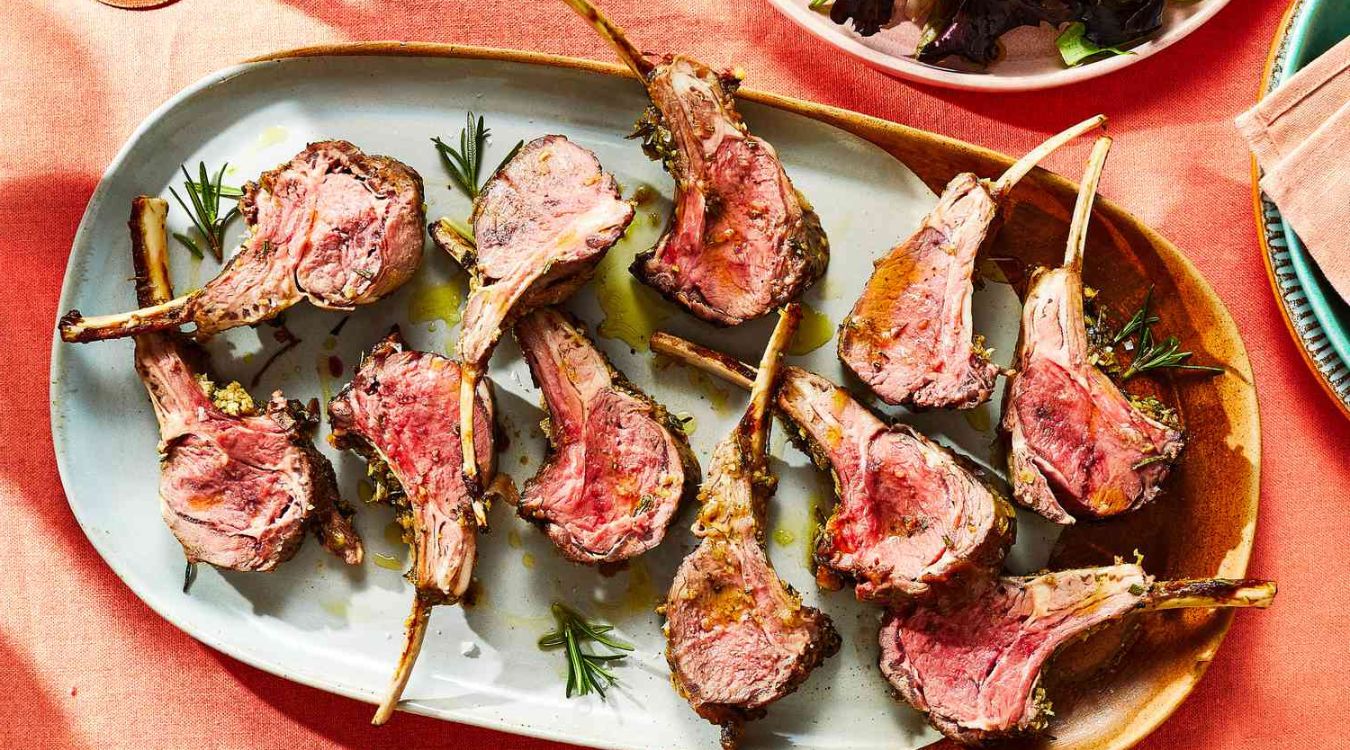
- Grilled Garlic and Rosemary Lamb Loin Chops Recipe25 Minutes
- Beef and Lamb Dry Rub Recipe10 Minutes
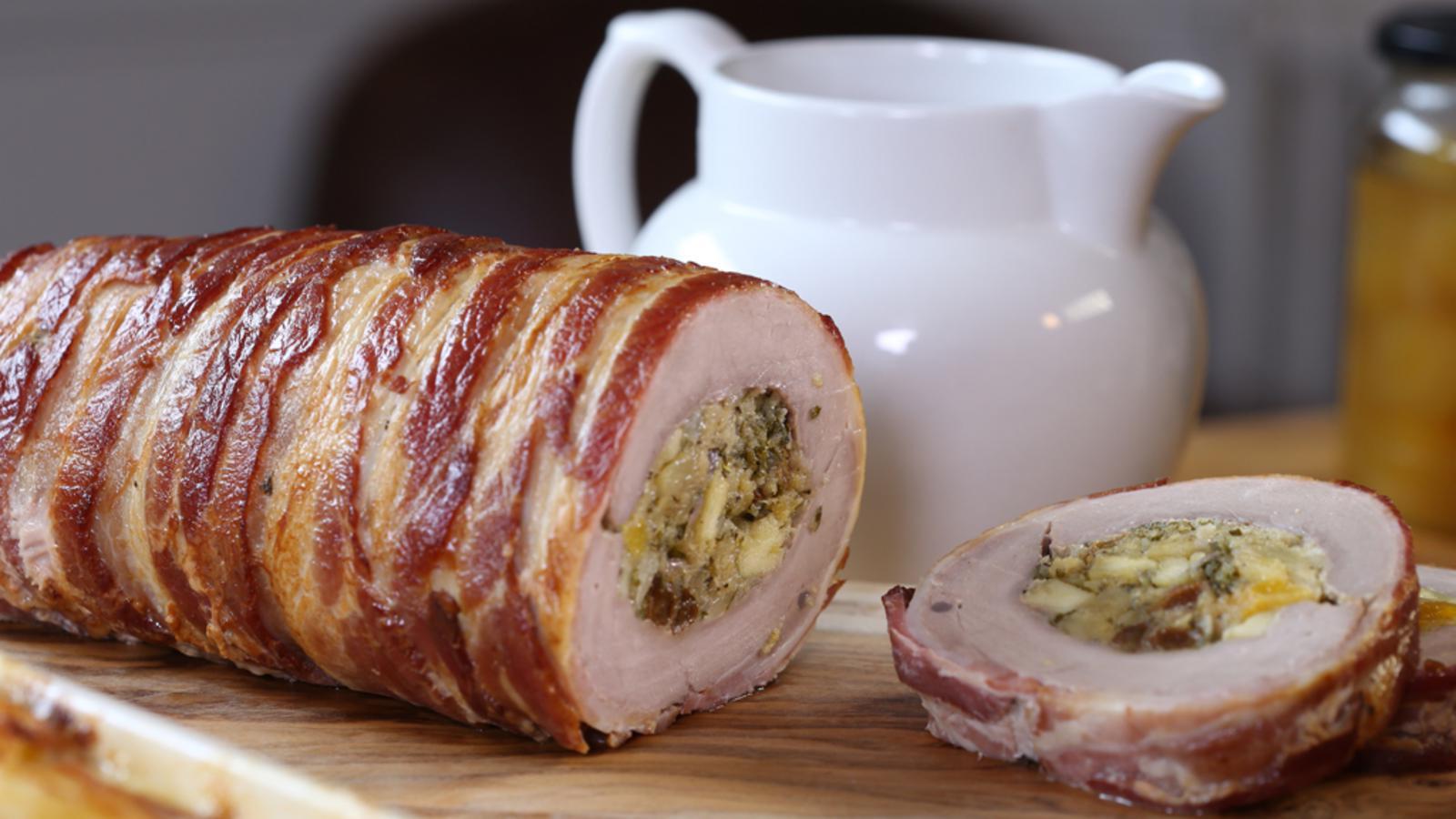
- Stuffed Pork Tenderloin Recipe1 Hours
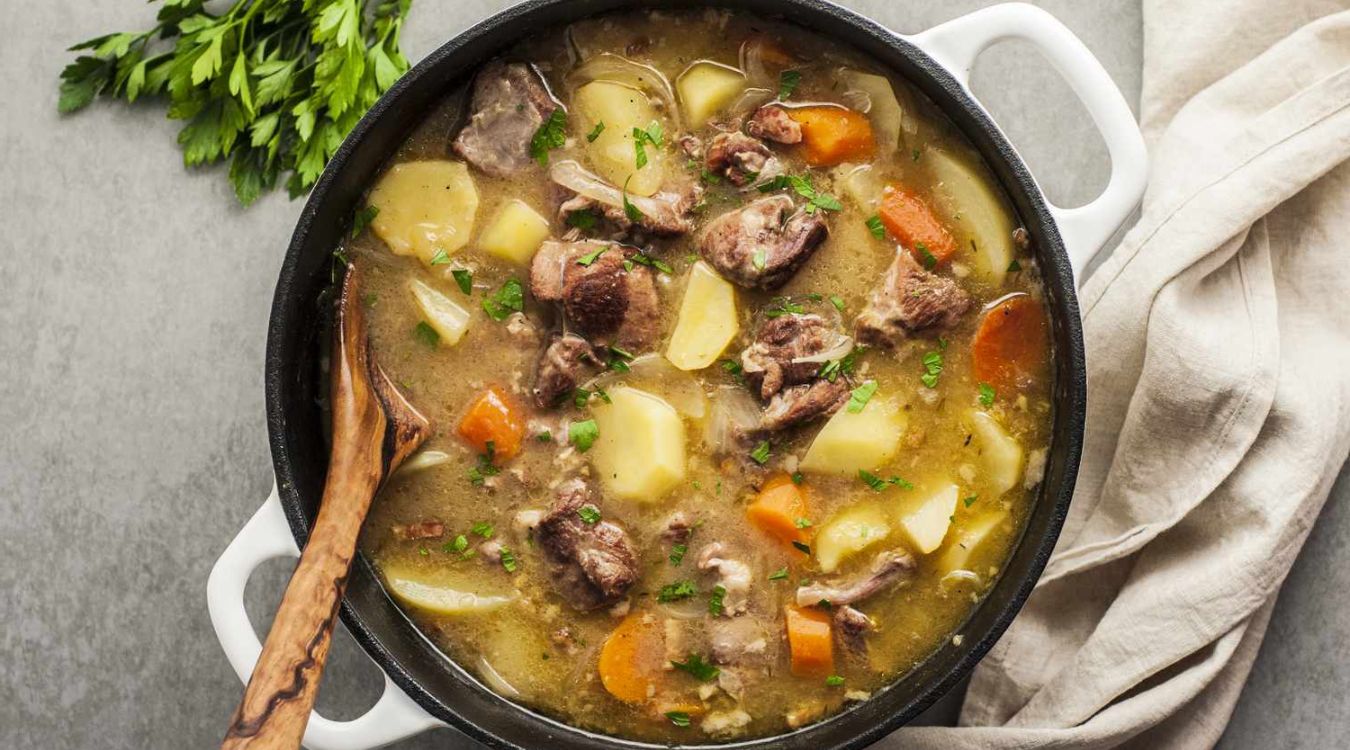
- Irish Style Lamb Stew Recipe2 Hours 20 Minutes
- Cioppino Recipe1 Hours





Leave a Reply