Creating a rich and flavorful shrimp stock is a fantastic way to elevate your seafood dishes. This stock can be used as a base for soups, stews, and sauces, adding depth and complexity to your recipes. With a few simple ingredients and a bit of time, you can make a homemade shrimp stock that will enhance your culinary creations.
While most of the ingredients in this recipe are common, you might not always have shrimp shells on hand. If you purchase whole shrimp, save the shells after peeling. Tomato paste is another ingredient that might not be a pantry staple for everyone, but it is easily found in the canned goods section of your supermarket. Fresh thyme and a bay leaf might also require a trip to the fresh herbs section.
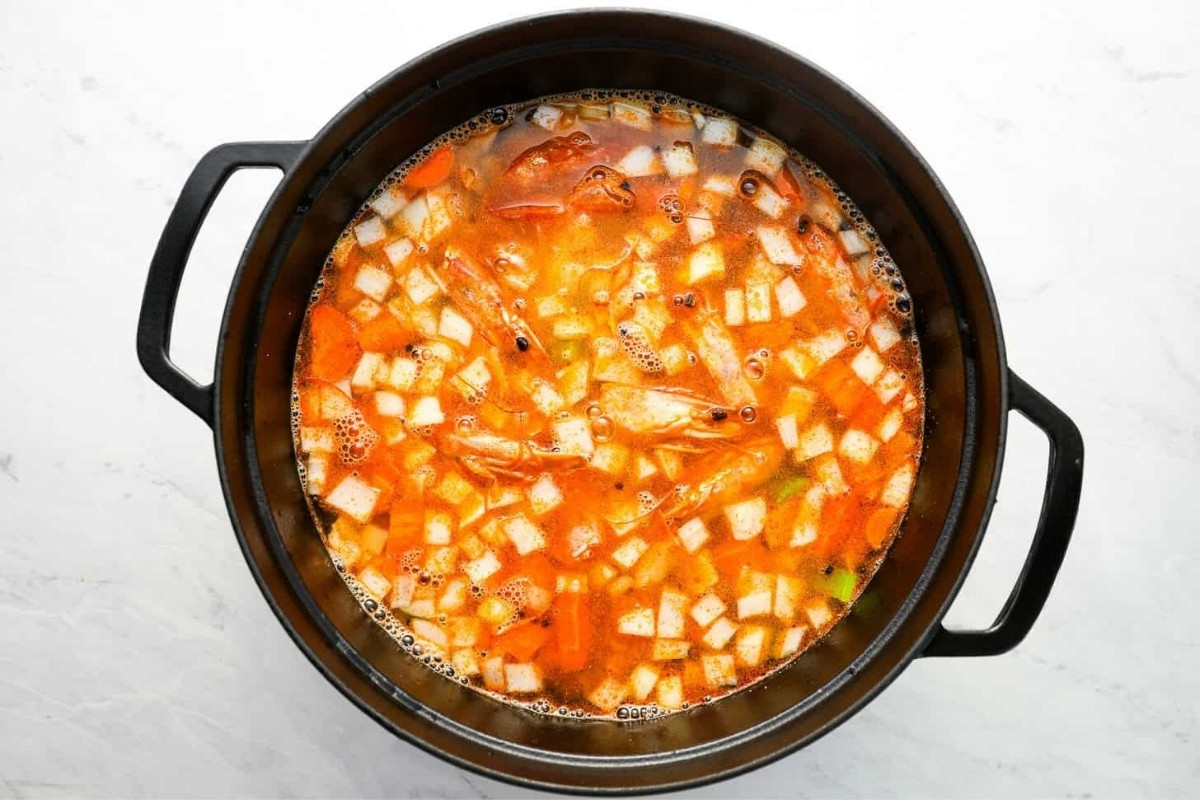
Ingredients For Shrimp Stock Recipe
Shrimp shells: The outer coverings of shrimp, which provide a rich seafood flavor when simmered.
Onion: Adds sweetness and depth to the stock.
Celery: Contributes a subtle earthiness and enhances the overall flavor.
Carrot: Adds a touch of sweetness and color to the stock.
Garlic: Provides a robust and aromatic flavor.
Tomato paste: Adds a rich umami flavor and deepens the color of the stock.
Water: The base liquid for the stock, used to extract flavors from the ingredients.
Salt: Enhances the flavors of the other ingredients.
Black peppercorns: Adds a hint of spice and complexity.
Thyme: A fragrant herb that adds a subtle earthy flavor.
Bay leaf: Adds a layer of herbal aroma and flavor.
Technique Tip for Perfect Shrimp Stock
When making shrimp stock, it's essential to toast the shrimp shells first. This step enhances the flavor by bringing out the natural sweetness and depth of the shrimp. Make sure to cook them until they turn pink and start to brown, which usually takes about 5 minutes. This caramelization process adds a rich, complex taste to your stock.
Suggested Side Dishes
Alternative Ingredients
shrimp shells - Substitute with fish bones: Fish bones provide a similar seafood flavor and can be used to create a rich stock.
shrimp shells - Substitute with lobster shells: Lobster shells offer a robust and slightly sweeter flavor, making them a good alternative for shrimp shells.
chopped onion - Substitute with leeks: Leeks have a milder flavor but still provide a good aromatic base for the stock.
chopped celery - Substitute with fennel: Fennel adds a slight anise flavor which complements seafood stocks well.
chopped carrot - Substitute with parsnips: Parsnips have a similar texture and sweetness, making them a good alternative to carrots.
smashed garlic - Substitute with shallots: Shallots provide a milder, sweeter flavor that can enhance the stock.
tomato paste - Substitute with crushed tomatoes: Crushed tomatoes can add a similar depth of flavor and color to the stock.
water - Substitute with vegetable broth: Vegetable broth adds additional layers of flavor to the stock.
salt - Substitute with soy sauce: Soy sauce can add a salty and umami flavor to the stock.
black peppercorns - Substitute with white peppercorns: White peppercorns provide a similar heat but with a slightly different flavor profile.
thyme - Substitute with oregano: Oregano offers a robust, earthy flavor that can complement the stock well.
bay leaf - Substitute with dried basil: Dried basil can provide a sweet, aromatic flavor similar to bay leaf.
Alternative Recipes Similar to Shrimp Stock
How to Store and Freeze Shrimp Stock
Allow the shrimp stock to cool completely before storing. This prevents condensation, which can dilute the stock and affect its flavor.
Use airtight containers or heavy-duty freezer bags to store the shrimp stock. Make sure to leave some space at the top of the container or bag, as the liquid will expand when frozen.
Label each container or bag with the date and contents. This helps you keep track of how long the shrimp stock has been stored and ensures you use the oldest stock first.
For short-term storage, keep the shrimp stock in the refrigerator. It will stay fresh for up to 3-4 days.
For long-term storage, freeze the shrimp stock. It can be kept in the freezer for up to 3 months without losing its flavor.
Consider freezing the shrimp stock in ice cube trays for easy portioning. Once frozen, transfer the cubes to a freezer bag. This method allows you to use small amounts of stock as needed without defrosting an entire container.
When ready to use, thaw the shrimp stock in the refrigerator overnight or use the defrost setting on your microwave. If you're in a hurry, you can also place the sealed container or bag in a bowl of cold water to speed up the thawing process.
Reheat the shrimp stock gently on the stove over low heat. Avoid boiling it, as this can cause the flavors to become concentrated and overly intense.
If you notice any off smells, discoloration, or changes in texture, discard the shrimp stock. These are signs that it has spoiled and is no longer safe to use.
How to Reheat Leftovers
For a quick and efficient method, pour the shrimp stock into a saucepan and heat over medium heat. Stir occasionally until it reaches a gentle simmer, ensuring it’s heated evenly throughout. This should take about 5-10 minutes.
If you prefer using a microwave, transfer the shrimp stock to a microwave-safe container. Cover it loosely to prevent splatters. Heat on high for 2-3 minutes, stirring halfway through to ensure even heating. Be cautious as microwaves can heat unevenly.
For a more controlled reheating, use a double boiler. Place the shrimp stock in the top part of the double boiler and simmer water in the bottom part. This method gently heats the stock, preserving its delicate flavors. Stir occasionally until it’s hot.
If you have a slow cooker, set it to the low setting and pour in the shrimp stock. Cover and let it heat for about 1-2 hours. This method is perfect if you’re not in a rush and want to maintain the stock’s rich flavors.
For those with an immersion blender, you can reheat the shrimp stock directly in the pot. Place the immersion blender in the pot and blend on low while heating over medium heat. This method ensures even heating and can help break down any remaining solids for a smoother texture.
Essential Tools for Making Shrimp Stock
Large pot: A sizable pot is essential for holding all the ingredients and allowing them to simmer together, extracting maximum flavor from the shrimp shells and vegetables.
Wooden spoon: Useful for stirring the shrimp shells and vegetables to ensure even cooking and to prevent sticking.
Chef's knife: Necessary for chopping the onion, celery, carrot, and smashing the garlic.
Cutting board: Provides a safe and stable surface for chopping the vegetables and smashing the garlic.
Measuring spoons: Needed for accurately measuring the salt, peppercorns, and tomato paste.
Fine-mesh strainer: Essential for straining the stock to remove solids, resulting in a clear, flavorful liquid.
Heat-resistant gloves: Useful for handling the hot pot and strainer safely.
Storage containers: Necessary for storing the cooled shrimp stock for future use.
Time-Saving Tips for Making Shrimp Stock
Prepare ingredients in advance: Chop onion, celery, carrot, and smash garlic ahead of time.
Use pre-made stock: Substitute homemade shrimp stock with high-quality store-bought seafood stock.
Freeze shrimp shells: Collect and freeze shrimp shells over time until you have enough for the recipe.
Simmer in a slow cooker: Use a slow cooker to simmer the stock overnight, freeing up your time.
Double the recipe: Make a larger batch of shrimp stock and freeze portions for future use.
Shrimp Stock Recipe
Ingredients
Main Ingredients
- 1 lb Shrimp shells from about 1 lb of shrimp
- 1 medium Onion chopped
- 2 stalks Celery chopped
- 1 medium Carrot chopped
- 2 cloves Garlic smashed
- 1 tablespoon Tomato paste
- 8 cups Water
- 1 teaspoon Salt
- 1 teaspoon Black peppercorns
- 2 sprigs Thyme
- 1 bay leaf Bay leaf
Instructions
- 1. Heat a large pot over medium heat. Add shrimp shells and cook, stirring occasionally, until they turn pink and start to brown, about 5 minutes.
- 2. Add onion, celery, carrot, and garlic. Cook, stirring occasionally, until vegetables begin to soften, about 5 minutes.
- 3. Stir in tomato paste and cook for another minute.
- 4. Add water, salt, peppercorns, thyme, and bay leaf. Bring to a boil, then reduce heat and simmer uncovered for 30 minutes.
- 5. Strain the stock through a fine-mesh strainer, discarding solids. Let cool before storing.
Nutritional Value
Keywords
More Amazing Recipes to Try 🙂
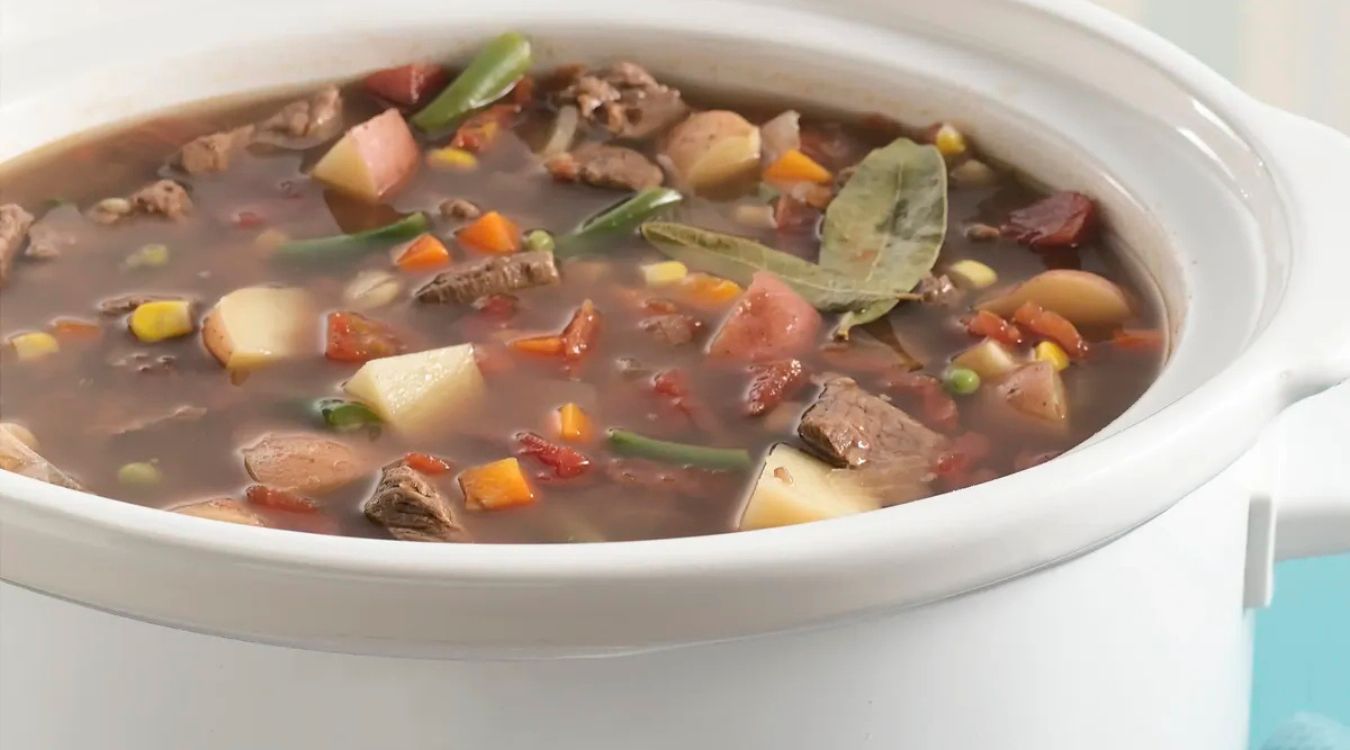
- Slow Cooker Vegetable Beef Soup Recipe8 Hours 20 Minutes
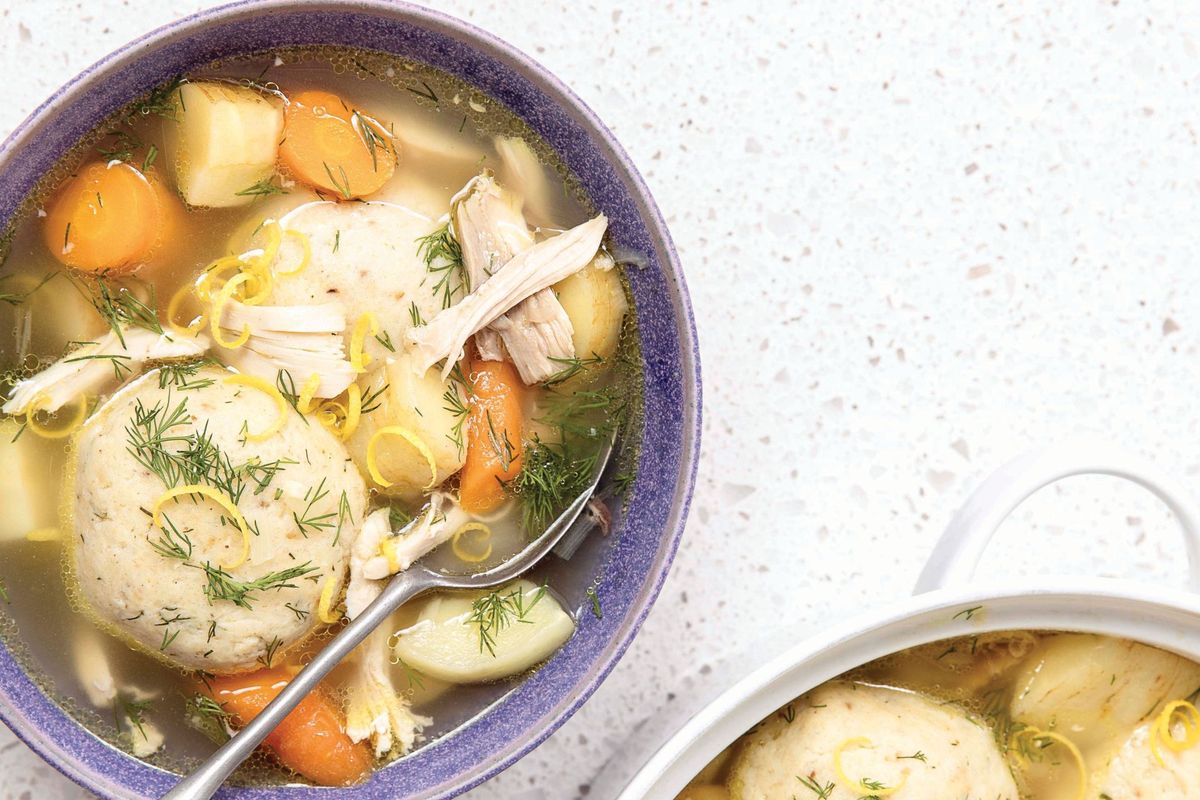
- Jewish Chicken Soup Recipe2 Hours 20 Minutes
- Rock Shrimp Tempura Recipe25 Minutes
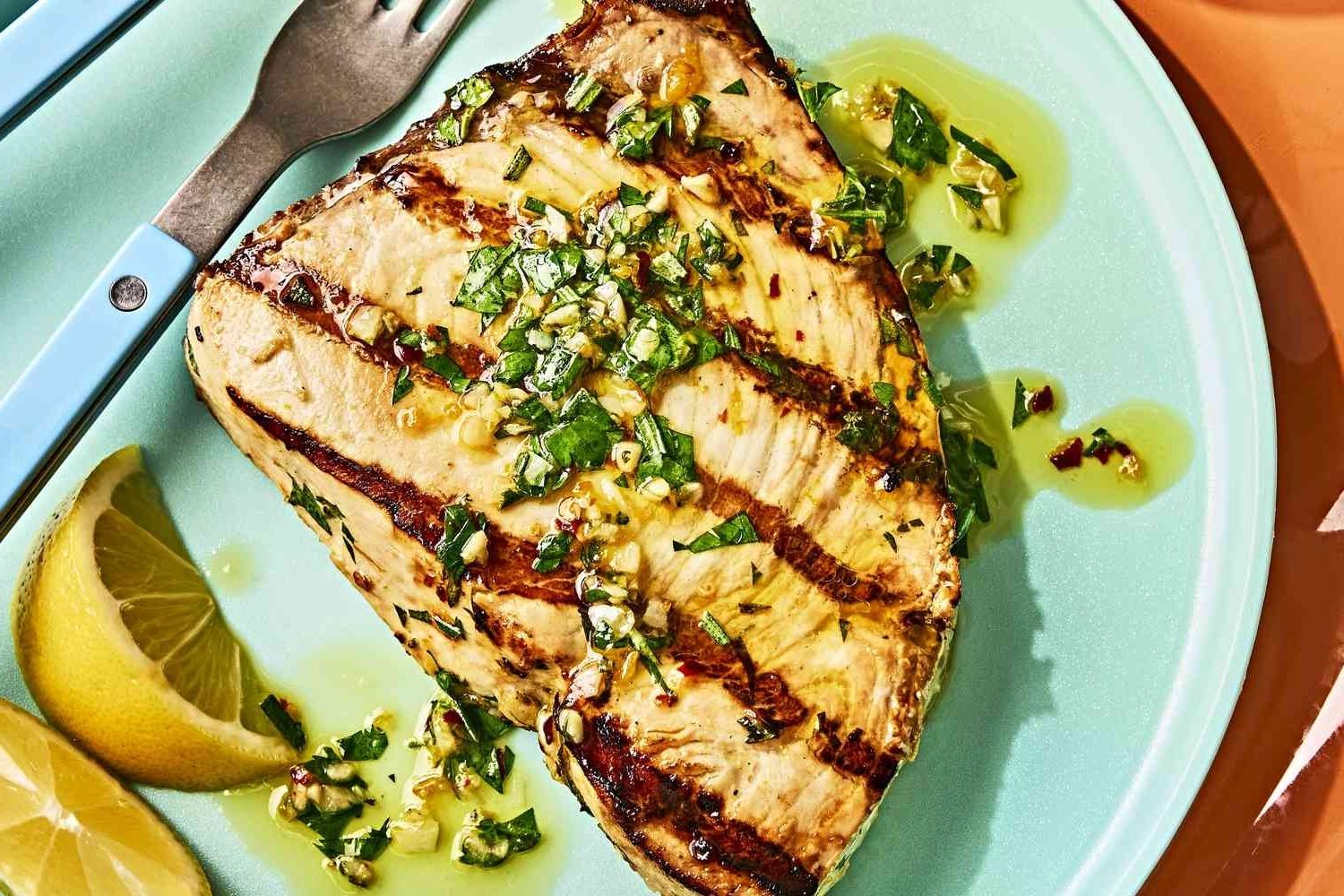
- Grilled Fish Steaks Recipe25 Minutes
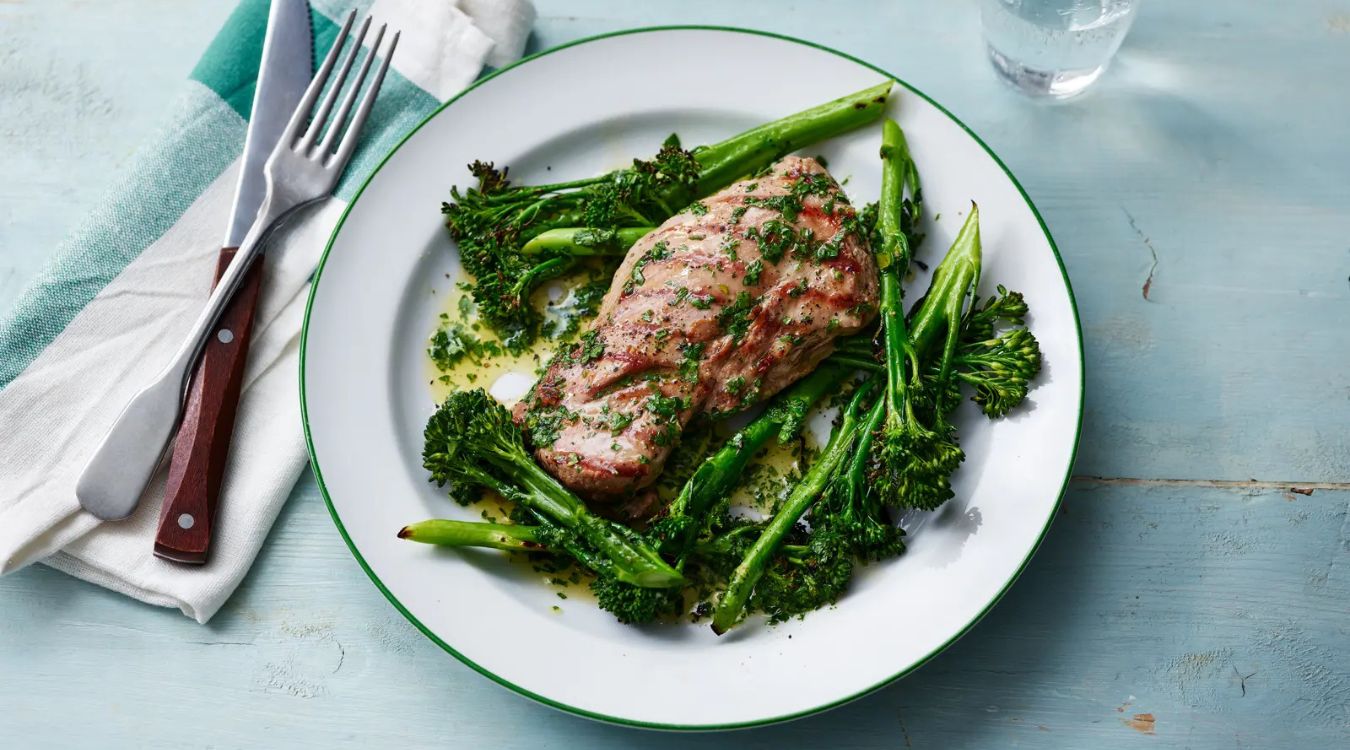
- Grilled Lamb Steaks Recipe25 Minutes
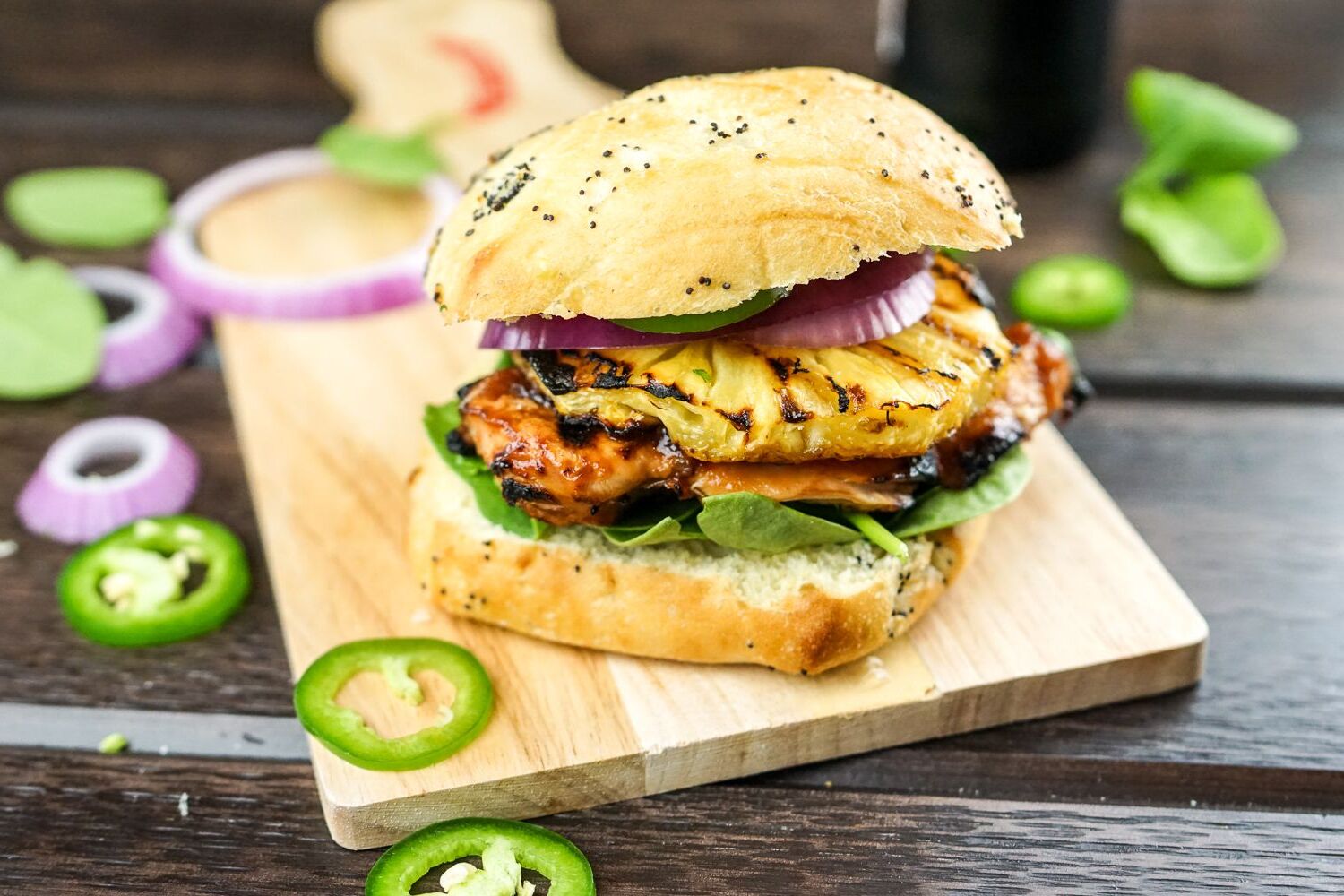
- Grilled Hawaiian Chicken and Pineapple Sandwiches Recipe25 Minutes
- Ground Beef and Potatoes Recipe40 Minutes
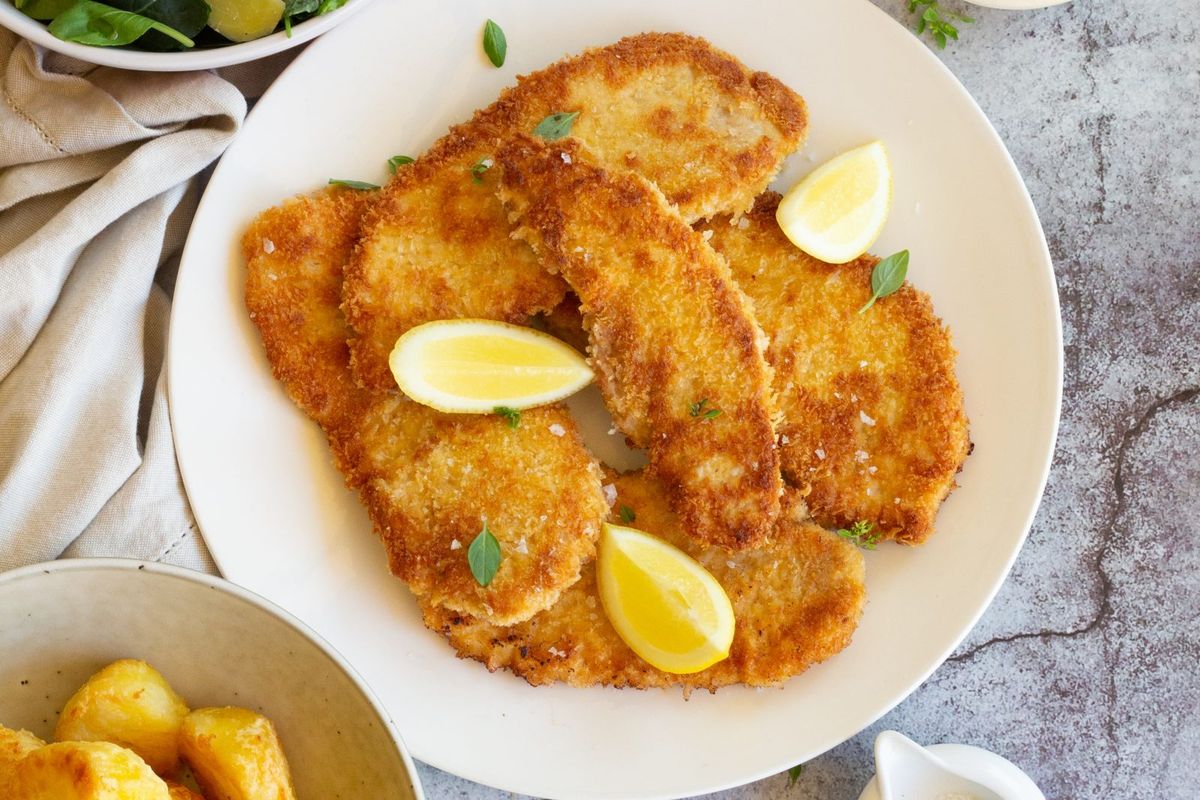
- Pork Schnitzel Recipe35 Minutes



Leave a Reply