
Indulge in the comforting flavors of garden fresh tomato soup. This delightful recipe captures the essence of ripe tomatoes and aromatic herbs, creating a warm and satisfying dish perfect for any season. Whether you're looking for a light lunch or a cozy dinner, this soup is sure to please.
While most of the ingredients for this garden fresh tomato soup are common pantry staples, you might need to pick up some fresh basil if you don't already have it on hand. Fresh basil adds a vibrant flavor that dried herbs simply can't match. Additionally, ensure you have enough vegetable broth to give the soup its rich base.
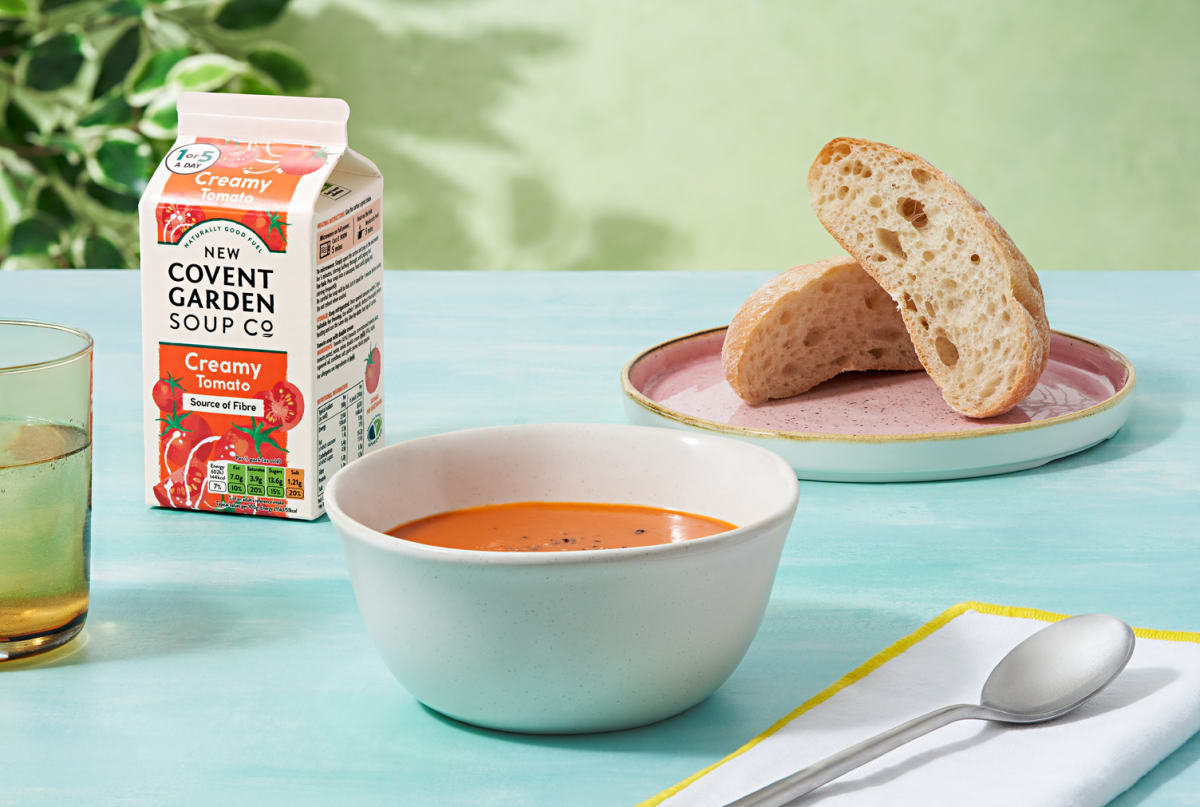
Ingredients for Garden Fresh Tomato Soup
Tomatoes: The star of the soup, providing a rich and tangy flavor.
Onion: Adds a subtle sweetness and depth to the soup.
Garlic: Infuses the soup with a robust and aromatic flavor.
Vegetable broth: Forms the base of the soup, adding richness and body.
Olive oil: Used for sautéing, it adds a smooth and slightly fruity flavor.
Salt: Enhances the overall taste of the soup.
Black pepper: Adds a hint of spice and warmth.
Basil: Fresh basil brings a bright and herbaceous note to the soup.
Technique Tip for Making Tomato Soup
When sautéing the onions and garlic, make sure to cook them until they are translucent and fragrant, but not browned. This will ensure that the flavors are mellow and sweet, providing a perfect base for your tomato soup. Additionally, when pureeing the soup, you can use an immersion blender directly in the pot to save time and reduce cleanup. If you prefer a chunkier texture, blend only half of the soup and mix it back in with the unblended portion.
Suggested Side Dishes
Alternative Ingredients
fresh tomatoes - Substitute with canned tomatoes: Canned tomatoes can provide a similar flavor and texture, especially if you use high-quality brands. They are also convenient and available year-round.
onion - Substitute with shallots: Shallots have a milder and slightly sweeter taste compared to onions, making them a good alternative in soups.
garlic - Substitute with garlic powder: Garlic powder can be used when fresh garlic is not available. Use about ⅛ teaspoon of garlic powder per clove of garlic.
vegetable broth - Substitute with chicken broth: Chicken broth can add a rich flavor to the soup, though it will no longer be vegetarian. For a vegetarian option, use water with bouillon cubes.
olive oil - Substitute with canola oil: Canola oil has a neutral flavor and similar cooking properties, making it a good alternative.
salt - Substitute with soy sauce: Soy sauce can add a salty and umami flavor to the soup, though it will slightly alter the taste.
black pepper - Substitute with white pepper: White pepper has a similar heat but a slightly different flavor profile, which can add a unique twist to the soup.
fresh basil - Substitute with dried basil: Dried basil can be used in place of fresh basil, though it is less aromatic. Use about one-third the amount of dried basil as you would fresh.
Alternative Recipes Similar to This Tomato Soup
How to Store or Freeze Your Tomato Soup
Allow the tomato soup to cool completely before storing. This prevents condensation, which can lead to a watery texture and spoilage.
Transfer the cooled soup into airtight containers. Glass jars or BPA-free plastic containers work well. Leave about an inch of space at the top to allow for expansion if freezing.
Label the containers with the date and contents. This helps you keep track of freshness and ensures you use the oldest batches first.
For short-term storage, place the containers in the refrigerator. The soup will stay fresh for up to 4-5 days.
For long-term storage, place the containers in the freezer. The tomato soup can be frozen for up to 3 months without losing its flavor and texture.
To reheat refrigerated soup, pour it into a pot and warm over medium heat, stirring occasionally. For frozen soup, thaw it in the refrigerator overnight before reheating.
If you’re in a hurry, you can also reheat frozen soup directly. Place the frozen block of soup in a pot with a splash of vegetable broth or water, cover, and heat over low to medium heat until it thaws and warms through.
Avoid reheating the soup multiple times, as this can degrade the flavor and texture. Only reheat the amount you plan to consume.
If you prefer, you can portion the soup into individual servings before freezing. This makes it easy to grab a single serving for a quick meal.
For an extra burst of freshness, add a sprinkle of fresh basil or a drizzle of olive oil just before serving reheated soup.
How to Reheat Leftovers
For a quick and easy method, pour the leftover soup into a microwave-safe bowl. Cover it loosely with a microwave-safe lid or a plate to prevent splatters. Heat on high for 2-3 minutes, stirring halfway through to ensure even heating. Check the temperature and heat for an additional 1-2 minutes if necessary.
If you prefer a stovetop method, pour the soup into a saucepan. Heat over medium-low heat, stirring occasionally to prevent sticking and ensure even heating. Once the soup starts to simmer, reduce the heat to low and continue to cook for another 5-7 minutes until thoroughly heated.
For an extra touch of flavor, reheat the soup in a pot and add a splash of vegetable broth or a bit of olive oil. This will enhance the richness and depth of the soup. Heat over medium heat, stirring occasionally, until the soup is hot and ready to serve.
If you have a slow cooker, transfer the leftover soup to the slow cooker and set it to low. Allow it to heat for 1-2 hours, stirring occasionally. This method is perfect if you have some time and want the flavors to meld even more.
For a gourmet twist, reheat the soup in a pot and add a handful of fresh basil or a dollop of cream. Heat over medium heat, stirring occasionally, until the soup is hot and the added ingredients are well incorporated. This will give your leftover soup a fresh and luxurious touch.
Essential Tools for Making Fresh Tomato Soup
Large pot: Used to heat the olive oil and cook the soup ingredients together.
Wooden spoon: Ideal for stirring the onions, garlic, and other ingredients as they cook.
Chef's knife: Essential for chopping the tomatoes, onions, and basil.
Cutting board: Provides a safe surface for chopping the vegetables.
Blender: Used to puree the soup until it reaches a smooth consistency.
Measuring cups: Necessary for measuring the correct amounts of tomatoes, vegetable broth, and other ingredients.
Measuring spoons: Used to measure the olive oil, salt, pepper, and basil.
Ladle: Handy for serving the soup into bowls.
How to Save Time on This Recipe
Use canned tomatoes: Substitute fresh tomatoes with high-quality canned tomatoes to save chopping time.
Pre-chopped onions and garlic: Buy pre-chopped onions and minced garlic to cut down on prep work.
Immersion blender: Use an immersion blender directly in the pot to save time on transferring hot soup to a blender.
Batch cooking: Make a large batch and freeze portions for quick meals later.
Quick simmer: Simmer for 10 minutes instead of 20 if you're in a hurry, but note the flavor may be less developed.
Garden Fresh Tomato Soup
Ingredients
Main Ingredients
- 6 cups Fresh Tomatoes, chopped
- 1 cup Onion, chopped
- 2 cloves Garlic, minced
- 2 cups Vegetable Broth
- 1 tablespoon Olive Oil
- 1 teaspoon Salt
- 0.5 teaspoon Black Pepper
- 1 tablespoon Fresh Basil, chopped
Instructions
- 1. Heat olive oil in a large pot over medium heat.
- 2. Add chopped onions and garlic, sauté until soft.
- 3. Add chopped tomatoes and vegetable broth. Bring to a boil.
- 4. Reduce heat and simmer for 20 minutes.
- 5. Use a blender to puree the soup until smooth.
- 6. Season with salt and pepper. Stir in fresh basil before serving.
Nutritional Value
Keywords
More Amazing Recipes to Try 🙂
- Pan-Seared Tilapia Recipe25 Minutes
- Breaded Chicken Fingers Recipe30 Minutes
- Lamb Burgers Recipe25 Minutes
- Parmesan Crusted Tilapia Recipe25 Minutes
- Herb-Crusted Rack of Lamb Recipe40 Minutes
- Moroccan Lamb with Shiraz Honey Sauce Recipe1 Hours 20 Minutes
- Cuban Sandwich Recipe25 Minutes
- Pork Chili Verde Recipe1 Hours 50 Minutes











Leave a Reply